Show HN: Reactor Atlas
There’s a darkly comic rhythm to the modern tech founder’s biography, and this one hits every beat: HPC training in state-backed nuclear simulation, a sharp turn into the blockchain gold rush, a six-million-dollar burn rate of success — and then the gut-punch realization that your "niche clients" now ask ChatGPT to build their MVPs for the cost of a coffee. Rather Labs didn’t die; it just got commoditized out of relevance. That’s not a failure of execution. That’s the lesson that hype-driven markets always end up teaching: if your moat is "we glue APIs together for startup pivots," someone will eventually build a cheaper gluer.
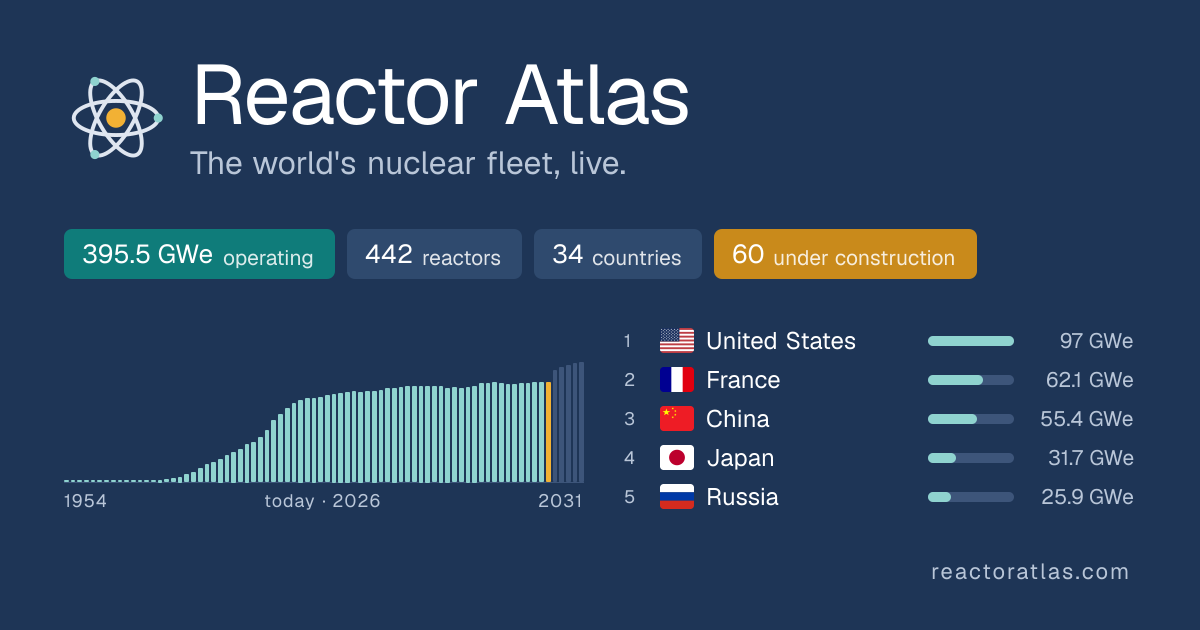
Enter Reactor Atlas. Sure, it’s vague — the original post literally cuts off at "thinking of" — but the direction is unmistakable. After three years writing high-performance computing code for nuclear simulations, and then several more years chasing crypto money, this engineer is heading back to the kind of infrastructure where a bug isn’t a gas fee, it’s a containment problem. The open-source community should care, because this is exactly the messy middle that licensing battles and compliance nightmares live in: safety-critical simulation, open data, regulatory boundaries, and commercial sustainability all colliding at once.
What’s genuinely interesting is the trajectory.