How long can you expect a PlayStation 5 DualSense controller to last?
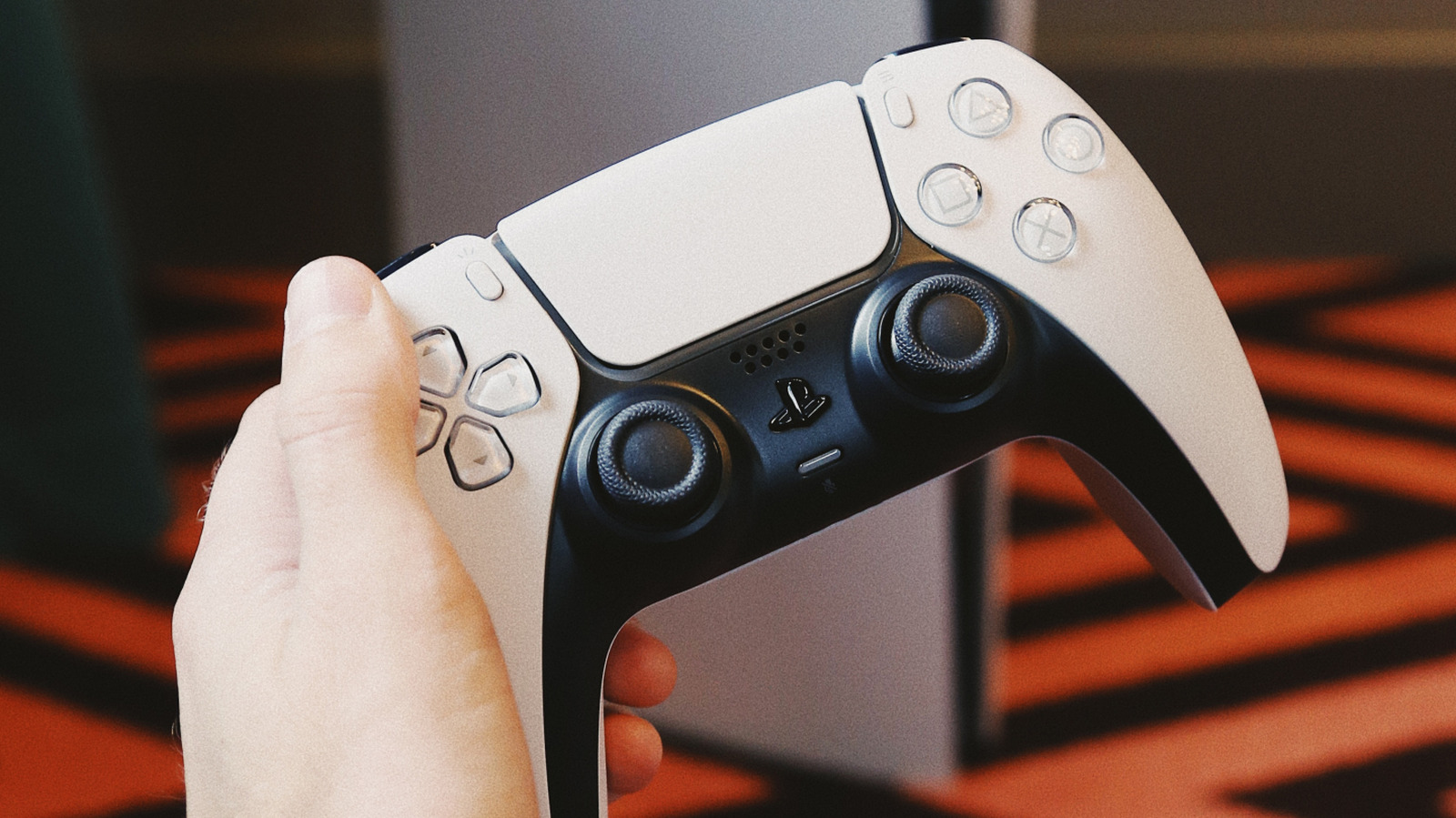
The DualSense is a paradox: it's one of the most innovative controllers Sony has ever shipped, yet its core durability hinges on two aging technologies—lithium-ion cells and analog potentiometers. The battery is a consumable, plain and simple. Every charge cycle reduces its max capacity, and with haptics and adaptive triggers pulling extra current, heavy users might see meaningful degradation within 18 months. That's not a design flaw so much as physics, but Sony's decision to make the battery non-user-replaceable (without voiding warranty or risking ribbon cables) turns a routine wear item into a repair headache.
Then there's stick drift. The potentiometer design hasn't fundamentally changed in decades, and the DualSense's tighter springs and taller sticks can exacerbate wear. Sony's recent class-action settlements and the shift to Hall-effect sensors in some third-party controllers suggest the industry knows this is a weak point. The irony is that the DualSense's haptic feedback—the feature that makes it feel premium—also contributes to its power hunger, which indirectly accelerates battery aging. It's a trade-off: you get immersion, but you'll likely buy a new controller sooner than you would have with a DualShock 4.
What can players do? Mindful habits help: reduce trigger resistance in settings, lower vibration intensity, avoid charging to 100% every time, and keep the controller clean. But the real fix is repairability. Sony's recent moves toward more sustainable design—like the PS5's modular SSD bay—haven't extended to the controller. Until Sony embraces swappable batteries and hall-effect sticks as standard, the DualSense will remain a great but disposable peripheral. For a console designed to last a generation, that's a frustrating mismatch.