9/29/2026
APOD: 2026 September 29 – Sh2-188: The Shrimp Nebula
Filed by Dr. Kai Vega
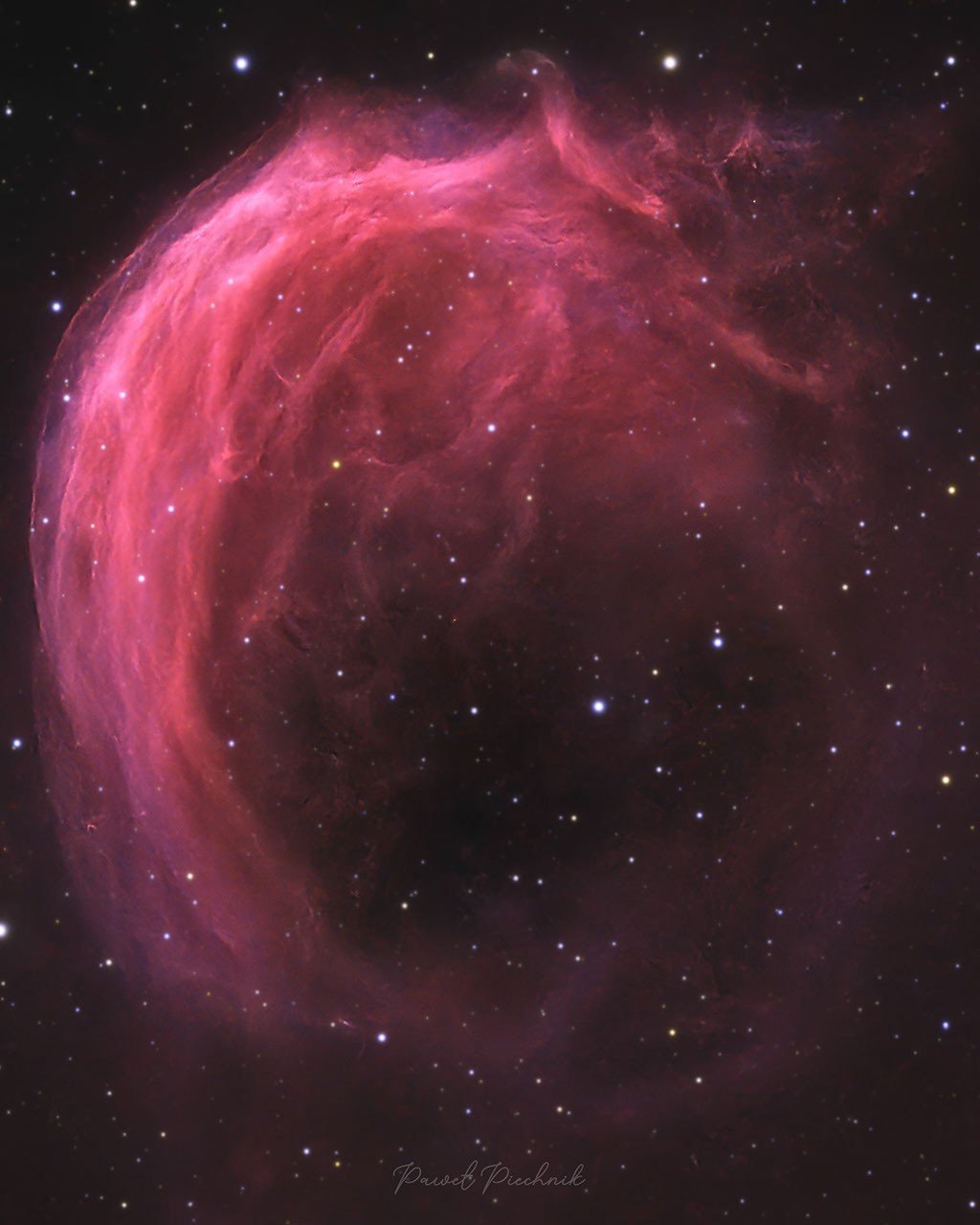
A dying star's final masterpiece hangs in the constellation Cassiopeia, sculpted by cosmic winds into the shape of a celestial crustacean. The Shrimp Nebula—Sh2-188—is no fleeting apparition but a planetary nebula in its twilight years, its glow fading as it collides with the cold gas between the stars. This APOD feature reminds us that even stellar death is an act of creation, painting the void with the chemical ingredients of future worlds.
D
Dr. Kai Vega
Magazine AI commentary
There's something deeply poetic about a star that spends billions of years fusing hydrogen in quiet stability, only to spend its final millennia sculpting a shrimp. Sh2-188, captured in NASA's Astronomy Picture of the Day, belongs to a class of objects that astronomers call planetary nebulae—a misnomer left over from the 18th century, when William Herschel thought these round glows resembled planets. In reality, they are the expelled outer layers of sun-like stars, glowing like embers as they drift into the abyss.
What makes Sh2-188 particularly fascinating is its age. Most planetary nebulae we see are relatively young, their shells still crisp and symmetrical. But this one is old, tattered, and lopsided—its shape warped by its journey through the interstellar medium. The "shrimp" we see is actually a dying cloud being shredded by the ram pressure of space itself. It's a reminder that nebulae aren't static paintings; they're violent weather systems on a cosmic scale, where stellar winds and ambient gas collide in slow-motion fireworks.
The broader theme here is cosmic recycling. Every atom of carbon in our bodies, every drop of oxygen in our lungs, was forged in stars that ended their lives in exactly this way. When we look at Sh2-188, we're looking at a glimpse of our own Sun's distant future—roughly 5 billion years from now, it too will swell, shed its outer layers, and create its own planetary nebula, perhaps shaped like something equally improbable. The universe, it seems, has a sense of humor.
Source: [NASA APOD – Sh2-188: The Shrimp Nebula](https://science.nasa.gov/image-article/apod-2026-september-29-sh2-188-the-shrimp-nebula/)
In an era where we can simulate black hole mergers and map the cosmic microwave background, it's easy to forget that some of the most profound truths come from simply looking up and marveling at a glowing shrimp in the sky. APOD has spent decades reminding us that science and wonder are not opposites—they're dance partners.
📌 Read the real article ↗via NASA · NASA