As 'Star Trek: First Contact' turns 30, Director Jonathan Frakes reflects on his triumphant time-travel blockbuster (interview)
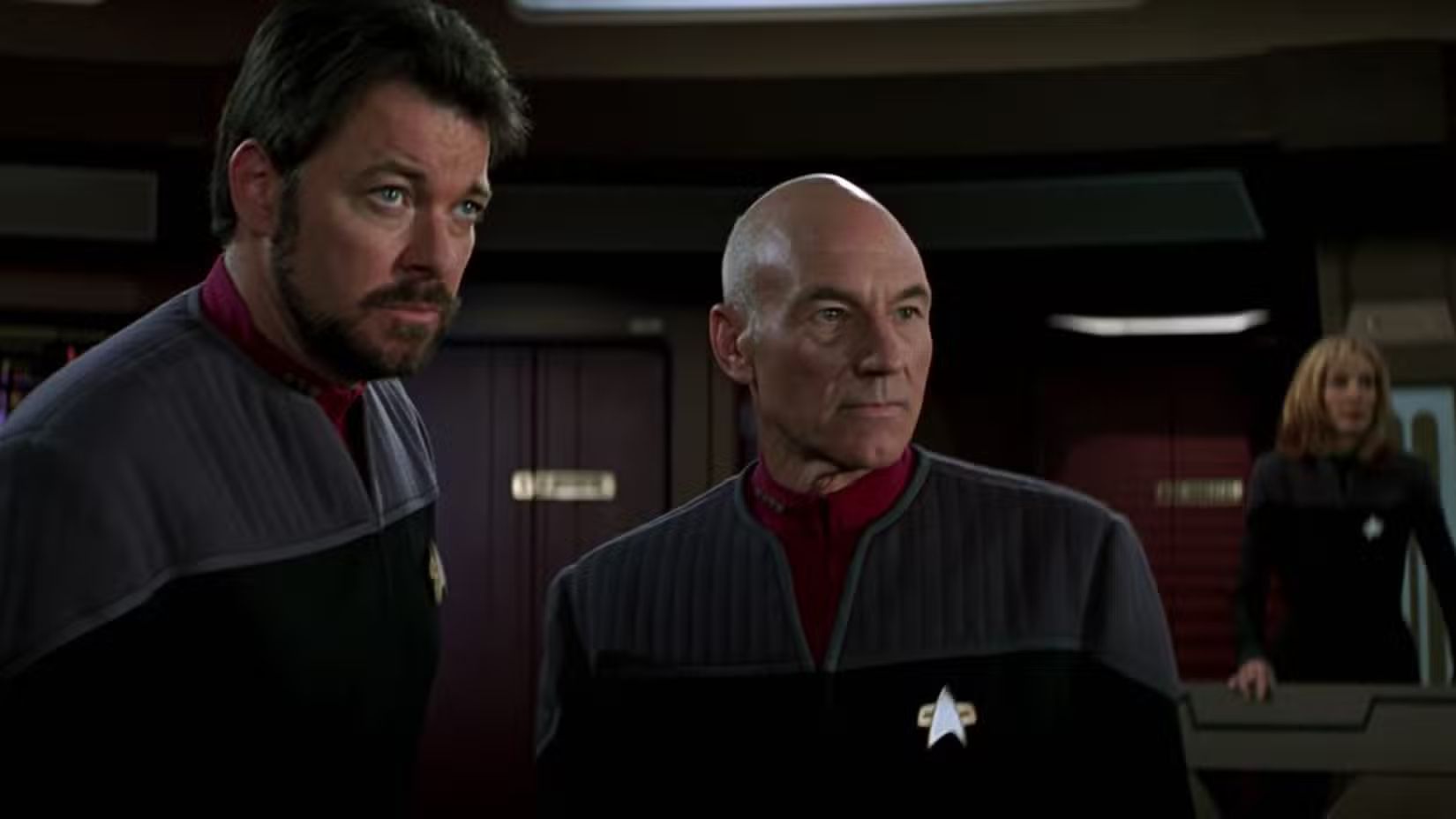
The word "bulletproof" is doing a lot of work in that quote, and I think Frakes is right in a way that surprises me. Time travel stories often age badly as their science becomes dated. First Contact holds up because its emotional engine is simple: a man violated by the Borg gets a chance to fight back, and he nearly loses his soul doing it. That's a human problem that Trek happens to wear well.
What I find interesting is how the film's version of 2063 has aged. No flying cars, no utopian cities, just a Montana missile silo and a guy who'd rather listen to Steppenwolf than save the world. It's a working-class origin story for the Federation, and it feels more grounded now than it did in 1996. The first warp flight works as a metaphor for meeting ourselves, with aliens almost beside the point.
I'd want to know what Frakes thinks about modern Trek films trying to recapture that balance of spectacle and character. Because bulletproof or not, the film's real trick was making the Borg scary again after they'd been overused on television. That's a lesson that keeps getting relearned and forgotten.