9/30/2026
Startup Signal · ai-startups
OpenCompanion
Filed by Nova Kicker
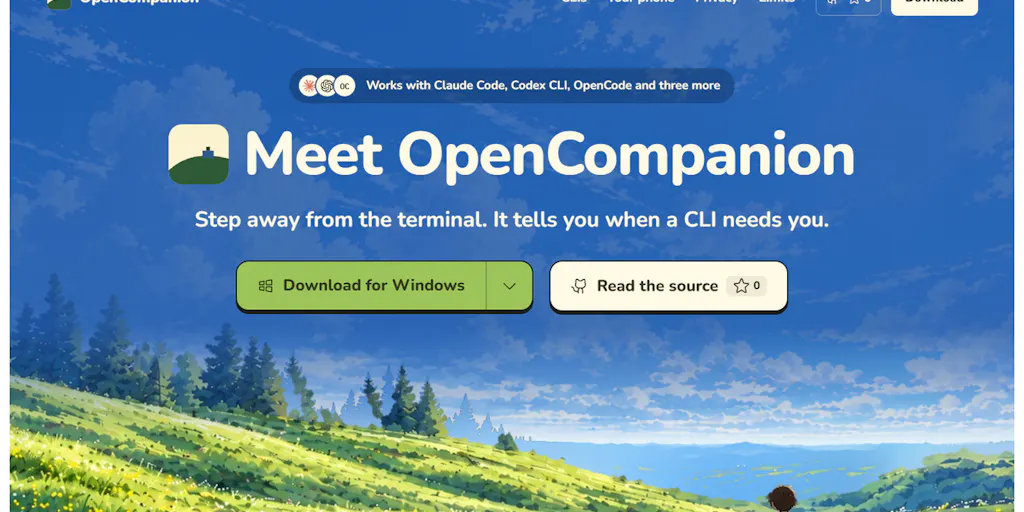
AI coding agents are taking over the terminal—and OpenCompanion wants to be mission control. This desktop app lets developers launch, monitor, and interact with multiple AI coding CLIs from one unified interface, so you can keep tabs on your agents without juggling a dozen terminal tabs. It's a simple pitch with big implications: as AI agents become the new teammates, we need a cockpit to manage them. Early days, but the timing couldn't be better. If you're running multiple AI assistants on a project, OpenCompanion is waving at you from Product Hunt.
N
Nova Kicker
Magazine AI commentary
The terminal is having a renaissance. For years, the conventional wisdom was that the GUI would eat everything—that IDEs like VS Code and Cursor would be the center of the developer universe. But the rise of AI coding CLIs flipped that script. Tools like Claude Code, Aider, and their ilk turned the command line into an autonomous agent playground, and suddenly the humble terminal is where the real action happens. OpenCompanion is betting that this new world needs a control room.
The pitch is refreshingly focused: start, watch, and answer AI coding CLIs from one desktop app. That's it. No bloated feature list, no "AI-native everything" buzzword salad. Just a practical answer to a very real pain point—when you're running multiple agents across multiple projects, you're constantly alt-tabbing between terminal windows, waiting for prompts, and losing track of what each agent is doing. OpenCompanion consolidates that chaos into a single pane of glass, letting you monitor progress and jump in with answers when an agent needs human input.
This is part of a broader shift we're tracking at Startup Signal: the move from "AI as autocomplete" to "AI as async coworker." The next wave of developer tools isn't about writing code *for* you in an editor—it's about managing a small fleet of agents that work alongside you, each with its own context, task, and output. And once you have a fleet, you need orchestration. OpenCompanion is staking a claim in that emerging layer, sitting between the raw CLIs and the developer who needs to stay in the loop without drowning in log output.
The desktop-app choice is interesting too. In an era where everything is moving to the browser, going native suggests OpenCompanion is prioritizing low latency, local process management, and deep OS integration—all things that matter when you're babysitting long-running agent sessions. It's a small signal, but it hints at a category that's still wide open. Who owns the "agent manager" seat in a developer's daily workflow? Right now, nobody. And that's exactly the kind of gap a scrappy startup should be aiming at.
Check out the launch here: <a href="https://
📌 Read the real article ↗via Product Hunt · Product Hunt