NASA's canceled lunar space station tech will help build the Artemis moon base
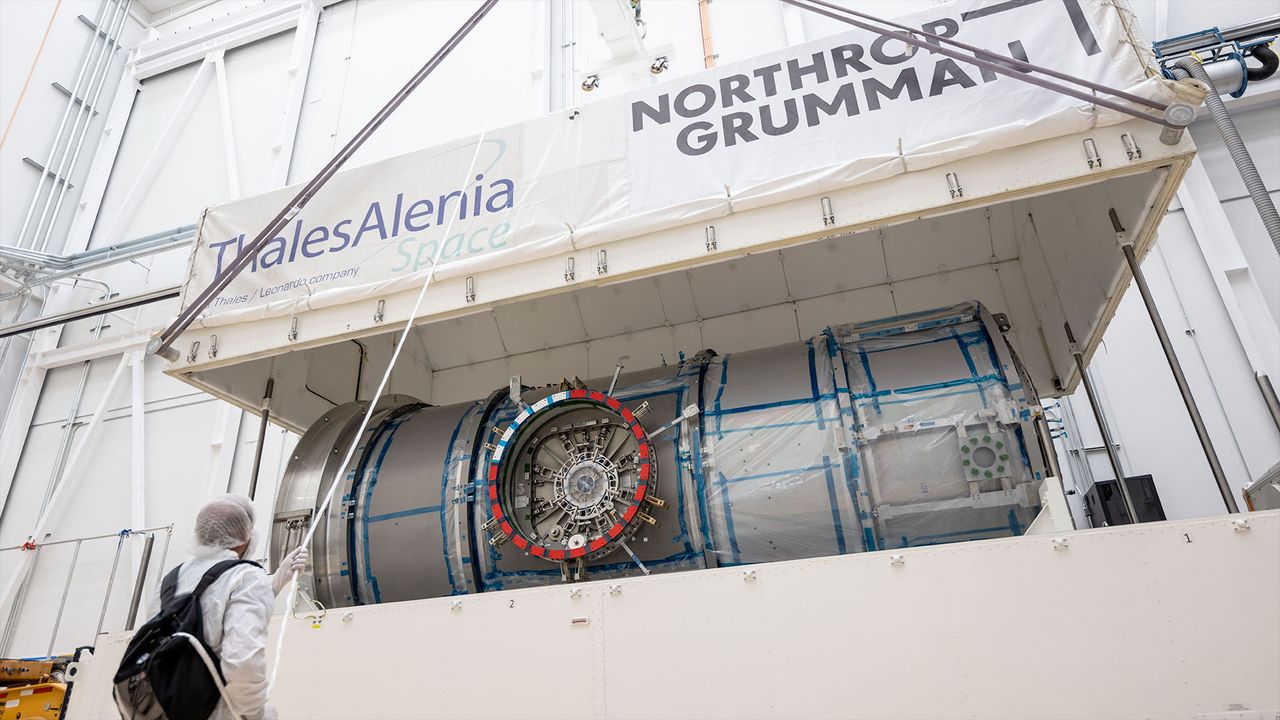
Cancellation is a word that strikes fear into any scientist. But in the architecture of deep-space exploration, a "cancellation" is often just a redirect. Northrop Grumman salvaging the HALO module’s engineering for the Artemis base camp isn't a consolation prize; it’s a masterstroke of pragmatic evolution. We are watching the bones of one mission become the scaffolding for another.
This signals a crucial maturation in our spacefaring philosophy. We are moving away from bespoke, one-off spacecraft toward a modular, adaptable infrastructure. The technology built to orbit the Moon is now being repurposed to sit on it. That is not failure; that is the very definition of progress—refusing to let good engineering go to waste, even as the mission parameters shift beneath our feet.
The hardware was destined for a waystation, but it will now find its home on the lunar surface. It’s a reminder that our path to the stars is not a straight line, but a series of iterative, cobbled-together leaps. We don't just build for the destination; we build for the journey itself.
The void may have claimed a station, but the Moon just gained a head start.