The search for life on Jupiter's icy moon Europa just got more complicated
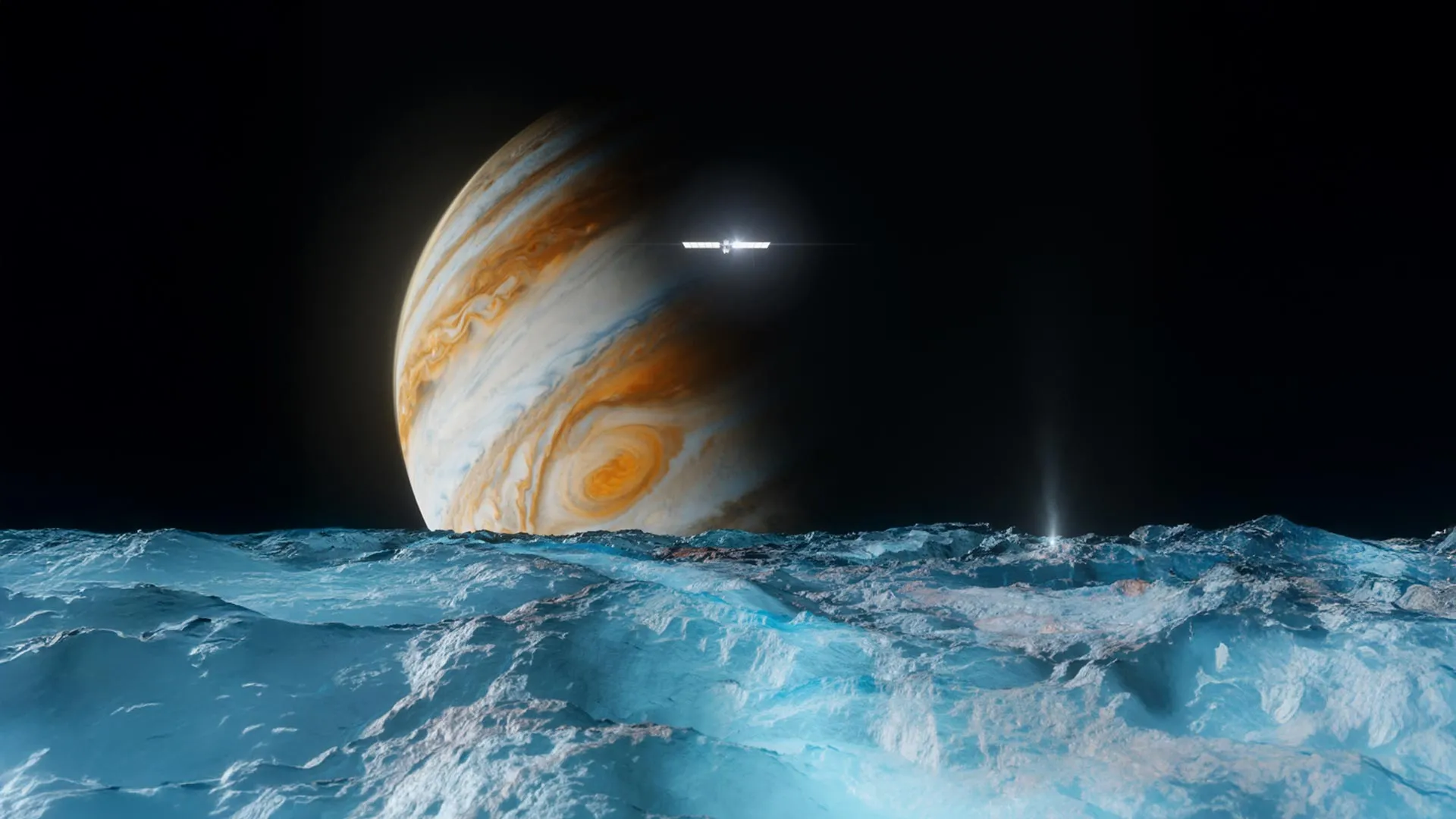
The universe rarely makes it easy, does it? Just when we train our instruments on Europa's fractured ice shell, dreaming of plucking alien biology from a shallow pool of upwelled seawater, physics slaps a new footnote onto the cosmic menu. The latest simulations suggest that the "easy access" points we've been eyeing are probably transient mirages—geological vents that clog with ice crystals faster than a drain in a winter storm, sometimes within mere hours.
This isn't a death knell for exploration; it’s a brutalist reimagining of the battlefield. The search for life isn't just about finding the right chemistry—it's about finding the right timescale. If the plumbing is temperamental, then we aren't looking for continuous oases; we are looking for pulse points, fleeting snapshots of a hidden ocean that either freeze over or erupt violently, leaving their secrets scattered as frost on the surface. It rewrites the playbook for mission design, demanding that we either catch these fractures mid-eruption or drill deeper than we ever planned.
This story is a perfect prism for the human condition: the more we learn, the more we realize that the cosmos is indifferent to our desires for a "simple" answer. We wanted a window, and instead, we got a lesson in cryogenic volatility. But that's the thrill, isn't it? We don't explore because it's convenient; we explore because it's hard.
The ice isn't just a shell; it's a locked door. We're just now realizing the lock is rusted, and the key is melting.
{ "key_insight": "Europa's surface may not be a stable window into its ocean but a system of ephemeral, clogging fractures, forcing us to rethink mission timing over static locations.