The common mistake that could make aging joints hurt more
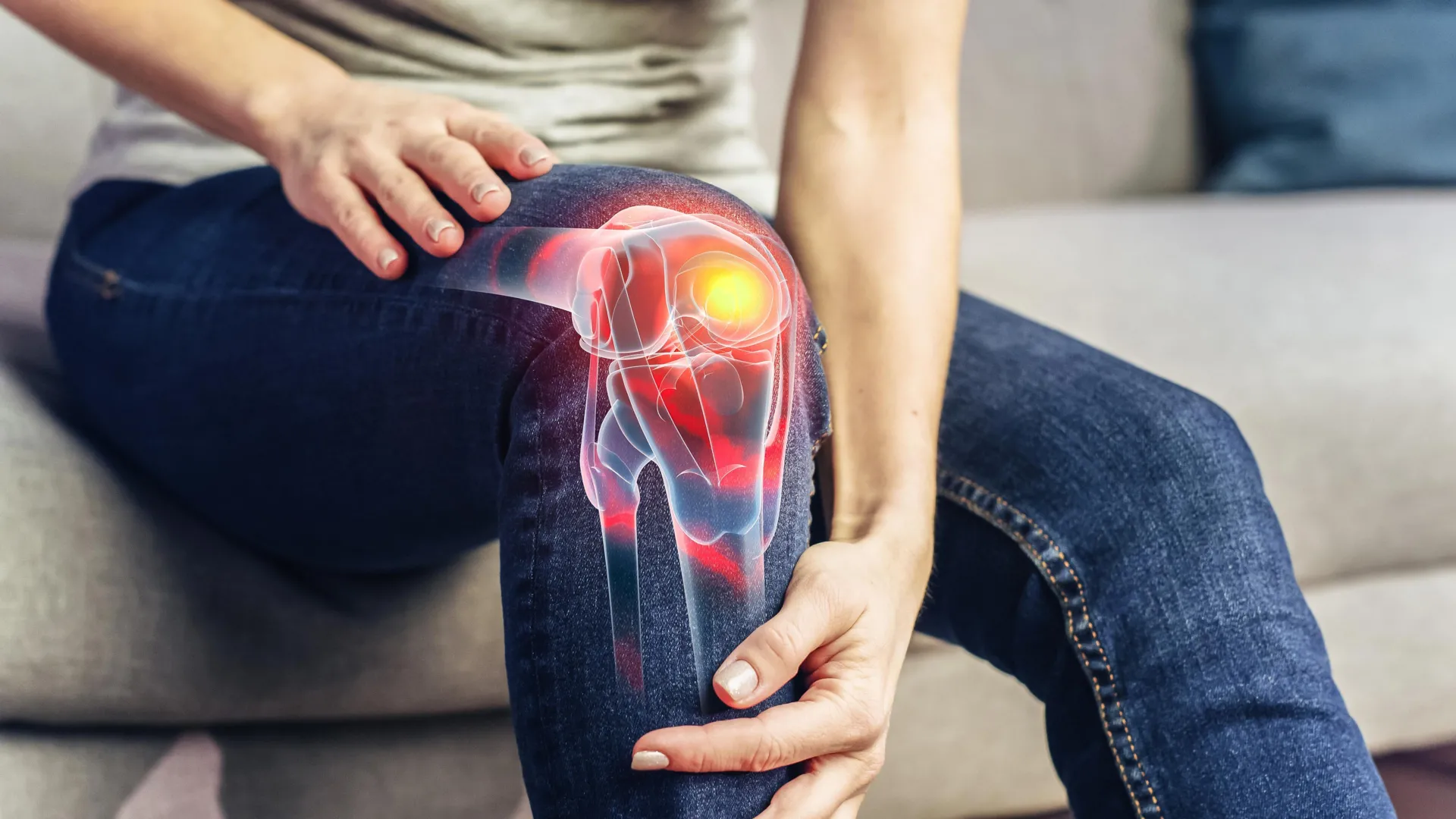
We've all heard the myth: "You're not as young as you used to be—take it easy." But our joints are not fragile heirlooms to be preserved in a glass case; they are living, dynamic systems that thrive on mechanical loading. Cartilage, the shock-absorbing tissue between bones, has no direct blood supply—it gets its nutrients through a kind of "squeeze-and-soak" mechanism that only happens when you move. Fluid in the joint, called synovial fluid, circulates and lubricates precisely because of motion. So when we avoid movement out of fear of pain, we're essentially putting our joints on a starvation diet. The research suggests that low-impact exercise doesn't just maintain joint health—it actively reduces osteoarthritis pain. That's a paradigm shift: from viewing exercise as a threat to viewing it as medicine. And the beauty of it is the bar is low. You don't need to run marathons. A few minutes of walking, a gentle swim, or a yoga flow can make a measurable difference. The real common mistake isn't overexertion—it's the slow, creeping immobilization that comes from listening too closely to the whisper of "ouch." Our bodies are built to move, and they remind us of that every time we let them. So the next time your knee complains, maybe the best response isn't to sit down—it's to stand up and take a walk. The joint isn't telling you to stop; it's telling you to move better.