‘It is not only a future certainty – the disaster is already here’: why we need climate fiction
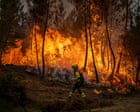
There is a particular power in the image of a climate fiction author fleeing the afternoon sun in air-conditioned hotels across Europe, only to land in Zurich — a city so famous for its temperate comfort that it barely needs air conditioning — and find 37 degrees of relentless heat. The storytelling and the story have collapsed into one another. This is the moment climate fiction has been building toward for decades: the genre once dismissed as "speculative" is now writing its own present tense. As the author notes, the disaster is not a looming abstraction; it is the landscape we are living in. That is a message Climate Watch has been sounding for years, but it lands differently when told through narrative rather than through datasets.
The critical insight here is that fiction does something that climate science alone cannot: it makes the crisis emotionally legible. We can publish record after record of global temperature anomalies, but numbers numb. A character jumping into the Limmat river for relief, in a city where the river used to be enough to keep people cool, communicates the lived texture of a changed planet in a way that a line graph never will. This is why the role of the novelist is not decorative — it is essential. When policy debates become paralyzed by abstraction, stories can re-connect us to what is at stake: the ordinary, daily experiences of heat, water, and shelter that are being transformed before our eyes.