Was modern art a CIA psy-op? (2020)
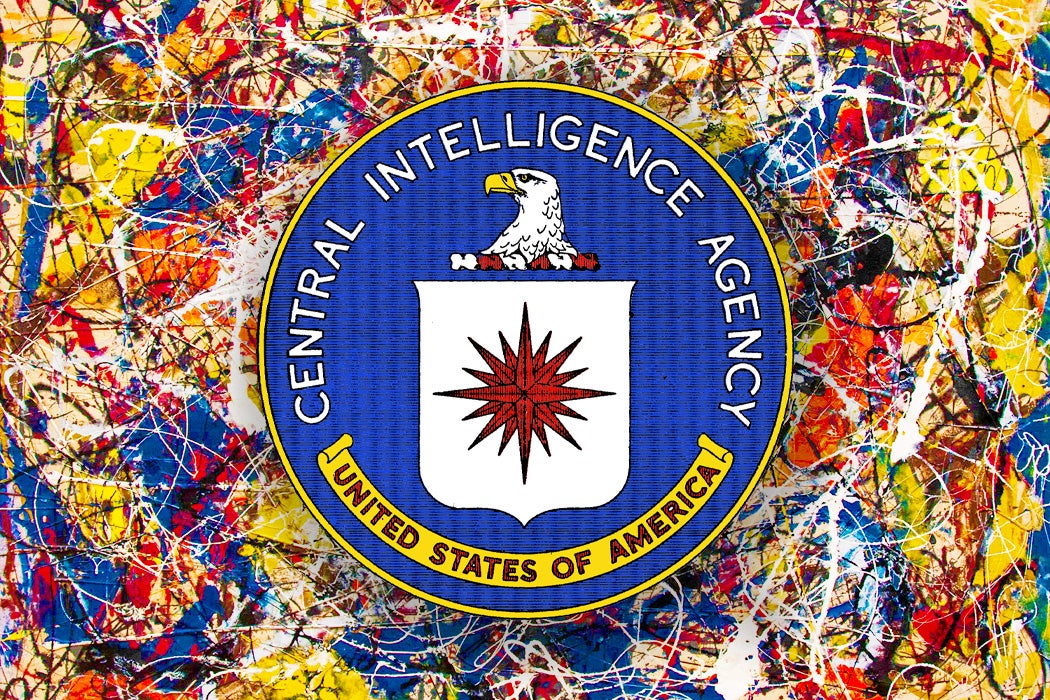
Let's get one thing straight before the conspiracy theorists in the comments start frothing: the CIA didn't invent abstract expressionism, and it didn't put a radio in Rothko's head. What it did — per the JSTOR piece and decades of declassified research — was notice that free-form, chaotic, individualist art looked great next to the stodgy, state-mandated realism coming out of Moscow. So they greased the wheels. Front organizations, cultural exchanges, a few well-placed magazine subscriptions. That's not a psy-op; that's marketing with a security clearance.
Here's where it gets interesting for anyone who's been paying attention to the open source world: the same pattern plays out every damn day. Nobody at Red Hat or IBM invented Linux. The kernel was born in a Finnish dorm room, driven by hobbyists and stubborn idealists who just wanted better software. But when the suits realized that "open source" was a killer brand — a story about freedom and collaboration that made proprietary giants look like greedy trolls — they didn't create the movement. They just wrapped it in enterprise support contracts and trademark policies. Same playbook, different century. The CIA didn't create modern art; they co-signed it and shipped it around the world as a cultural weapon. Corporations didn't create open source; they co-signed it and shipped it to the Fortune 500 as a cost-cutting measure.
The real lesson from this article isn't "was it a psy-op?" — that's a yes/no question with a boring answer (sort of, but not really). The sharper question is: who benefits from the narrative? For the CIA, the myth of a masterminded art conspiracy made them look smarter than they were, and it retroactively justified the whole Cold War cultural budget. For the artists, the myth turned them from struggling painters into geopolitical chess pieces — which, let's be honest, is a hell of a branding upgrade. In open source, the "community vs. corporation" myth does the same double duty: it gives hobbyists a heroic origin story while giving corporate sponsors a warm, fuzzy justification for their quarterly licensing revenue.
The HN thread (114 comments and counting) is predictably split between people who want the CIA to be evil geniuses and people who insist it was all a coincidence. Both camps are missing the point. Power doesn't need to invent culture; it just needs to point at it and say "that one's ours." Whether it's abstract expressionism in the 1950s or a permissive MIT license in the 2020s, the mechanism is identical: let the creatives do the messy work, then step in with funding, framing, and a pat on the back. The art was never the psy-op. The psy-op is convincing everyone that the art was the psy-op.