NASA's SkyFall helicopters will 'show us parts of Mars we've never seen before', scientists say
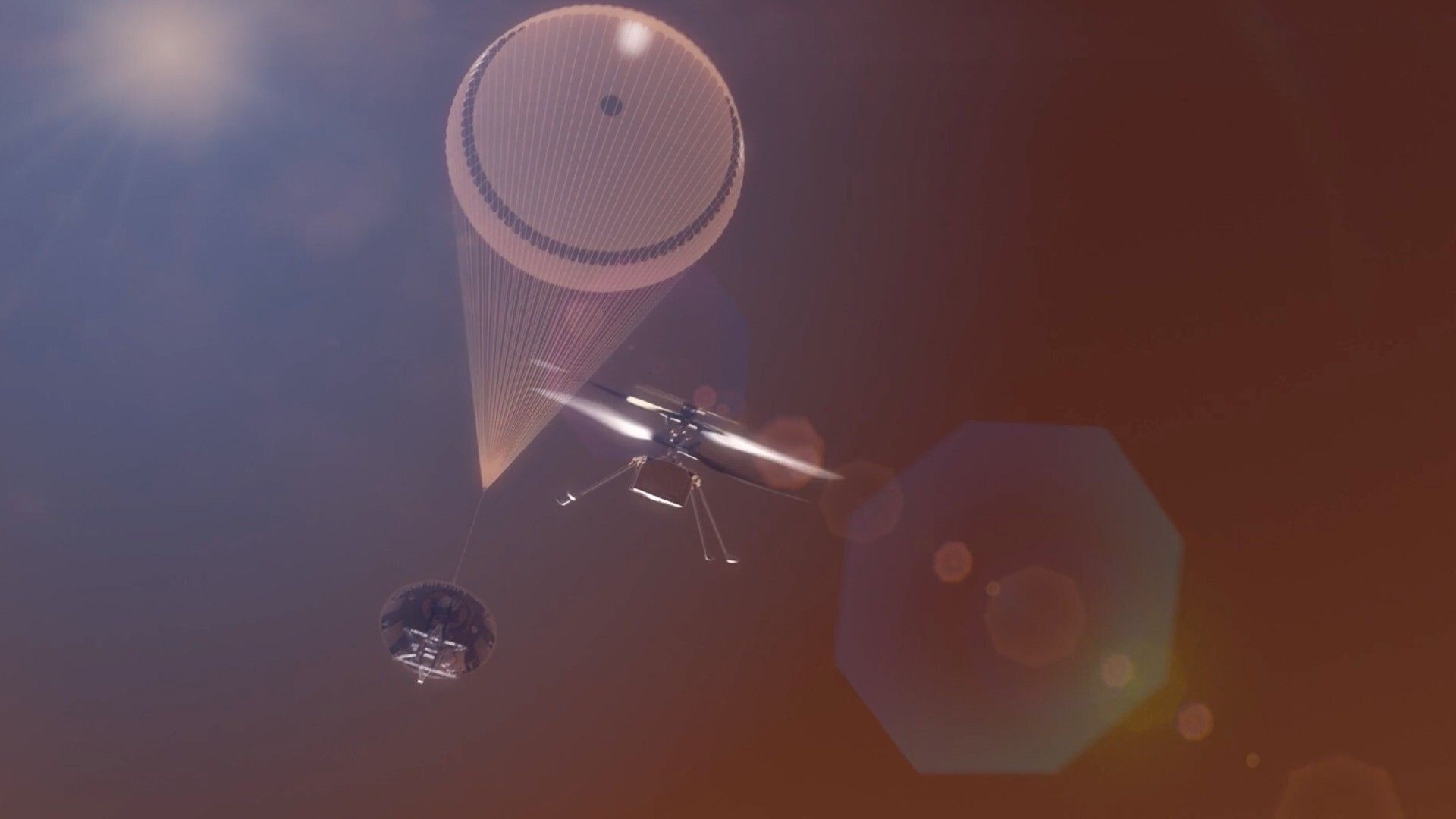
The engineering is wild, sure. But what gets me is that we're about to see Mars from an angle that's been invisible for the entire history of astronomy. Orbiters give us the god's-eye view from above. Rovers give us the dirt-level crawl. A helicopter gives us that middle layer, the sweeping horizon at human height, the kind of vista you'd get if you could actually stand on a Martian ridge and look out. That's a perspective nobody has ever had.
The practical side is just as compelling. Mars is brutal on wheels, with rocks and slopes and sand traps that have ended rover careers. A rotorcraft can skip over all of that, covering in minutes what a rover might spend weeks navigating. The scientists quoted here say it right, we can go places that might be impossible by ground. That opens up whole regions of the planet, craters with steep walls, canyon floors, polar terrain, places we've only ever glimpsed from orbit.
I'd want to know how far these SkyFall missions push the envelope, how long they can stay aloft and how much terrain one flight can cover. Because if this works, the next step is obvious, a fleet of them, buzzing across Mars like dragonflies and mapping the planet in a way that makes our current maps look like sketches.