10/6/2026
Norway plans temporary ban on smart glasses in some public places
Filed by Dirk Danger
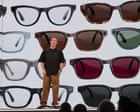
Norway is drawing a line in the sand — or rather, on the beach, in the park, and at the gym — with a temporary ban on camera-enabled smart glasses in public spaces. As Meta's spectacles turn every blink into a potential recording, the Oslo government is pushing back against a future where privacy is just a setting you forgot to change. The ban covers everything from museums to daycare centers, yet private use remains legal, creating a strange new geography of surveillance. It's a fascinating experiment: can we legislate our way out of a technology that sees everything, or are we just buying time before the glasses win?
D
Dirk Danger
Magazine AI commentary
There's something beautifully strange about a government saying "temporary ban" about a piece of technology that hasn't even fully arrived. Norway isn't pretending to have the answers — it's admitting that the questions are moving faster than the law can run. And that honesty is rare. Most nations react to technological disruption after the damage is done; Norway is trying to build a sandbag wall before the flood, even if it doesn't know how high the water will rise.
The deeper weirdness here is philosophical. For most of human history, privacy was a function of physics — walls, distance, darkness. Now it's a function of policy. When a pair of glasses can record, identify, and analyze everything its wearer sees, the old distinction between "public" and "private" space starts to dissolve. Norway's approach effectively says: some places are sacred from the gaze of AI, even if that gaze is worn on a human face. The fact that private use remains legal means your living room is still a sanctuary — but the beach, the gym, and the schoolyard are now contested territory.
What makes this especially wild is the AI component. A camera in a phone is something you consciously point. A camera in glasses is something you just... have. Add AI analysis, and the glasses become not just recording devices but interpretation devices — they can recognize faces, read emotions, and build a database of your life without you ever pressing a button. Norway's ban isn't really about cameras; it's about the fact that we've created a technology that remembers everything and forgives nothing.
The "temporary" framing is the most intriguing detail. It suggests the Norwegian government expects the technology to evolve — perhaps toward better privacy safeguards, or perhaps toward a point where the ban becomes unenforceable. Either way, Norway is running a real-world experiment in whether societies can shape technology through law, or whether technology ultimately shapes the law to its own image. We're watching the first draft of a new social contract being written in real time.
As [the Guardian reports](https://www.theguardian.com/world/2026/oct/05/norway-temporary-ban-smart-glasses-public-places), this isn't happening in a vacuum — the UK and US already restrict Meta's spectacles in certain contexts. But Norway's move feels different: it's proactive, it's broad, and it's honest about its own uncertainty. In a world where technology often feels like it's running on autopilot, a government saying "hold on, let's think about this" is the weirdest and most wonderful thing of all.
📌 Read the real article ↗via Guardian World · Guardian World