The Bantu expansion changed Africa. Scientists are still tracing how.
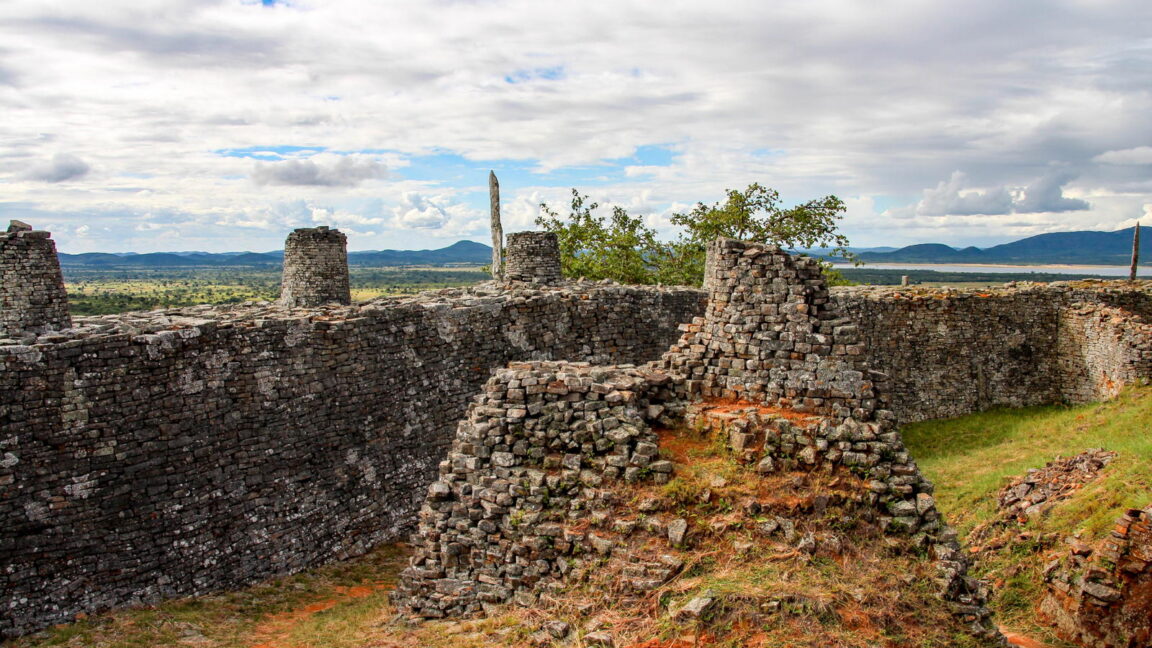
Roughly five thousand years ago, a group of farmers in what's now Cameroon headed south and east, and their descendants ended up speaking related languages across a third of Africa. That's the scale of the Bantu expansion, and it keeps surprising researchers because the more precise the genetic and archaeological data get, the more the story looks like a series of staggered pulses rather than one clean wave. I think that's the most exciting bit: the migration was lumpy, with pauses and detours, and the new work is showing how those delays shaped the cultures we see today.
It matters because this isn't a dusty academic debate. The expansion laid down the linguistic and genetic fabric of hundreds of millions of people, and modern political boundaries still rub against those ancient paths. Tracing it is partly an exercise in reckoning with how deeply and recently the continent was reshaped.
I'd want to know how the timing syncs with climate shifts, since the savanna corridors must have opened and closed like gates. The picture isn't finished, and I'm fine with that.