Emergency help for Christa Pike was delayed by confusion after failed execution, 911 calls reveal
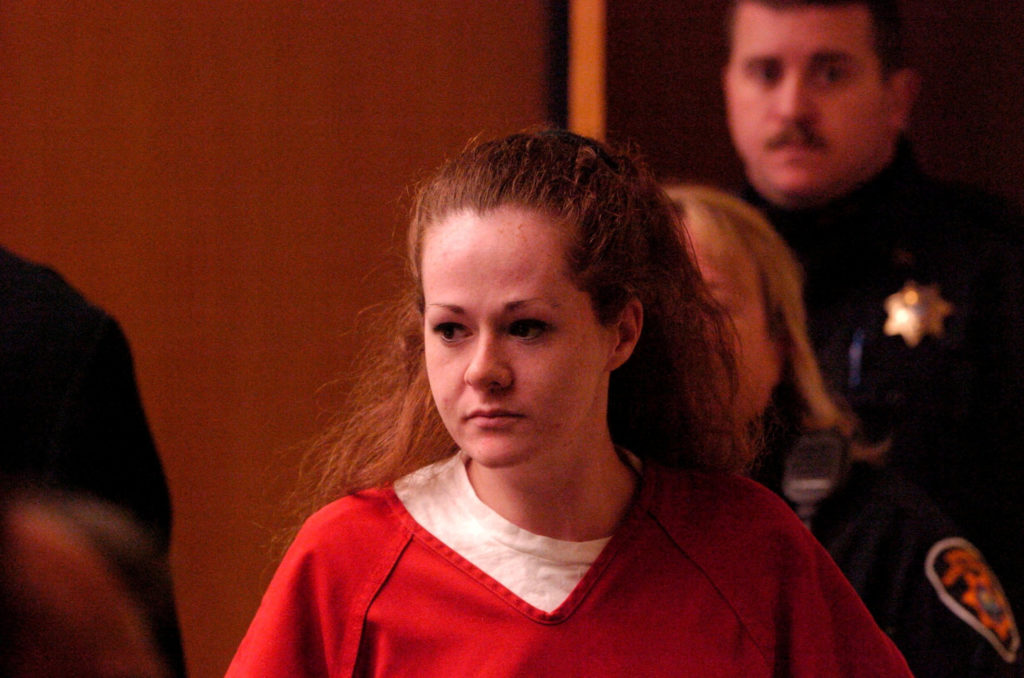
I keep thinking about how a 911 call is supposed to be the most unambiguous sound in the world. Someone needs help, and the machinery of emergency response kicks in. But in that execution chamber, the call itself became a riddle. Officials had to ask: is this real, or is this part of the show? That hesitation is the whole story.
What unsettles me is that nobody designed this confusion. It emerged naturally from the collision of two systems: the death penalty's rigid choreography and the chaos of a medical emergency. The protocols were built to prevent one kind of failure, and they created another. I'd want to know exactly what the callers said, how the dispatcher's questions shaped the delay, and whether anyone on the scene had the authority to override the doubt.
There's something almost philosophical here about how we treat the boundary between performance and reality. In a chamber designed for a controlled ending, the uncontrolled human body broke the script. And the people around it, trained to follow procedures, couldn't tell the difference between a cry for help and a false alarm. That's the weird and wild part: we build systems to manage death, and death keeps reminding us it doesn't care about our systems.