NASA selects 41 space technologies for future Moon and Mars exploration
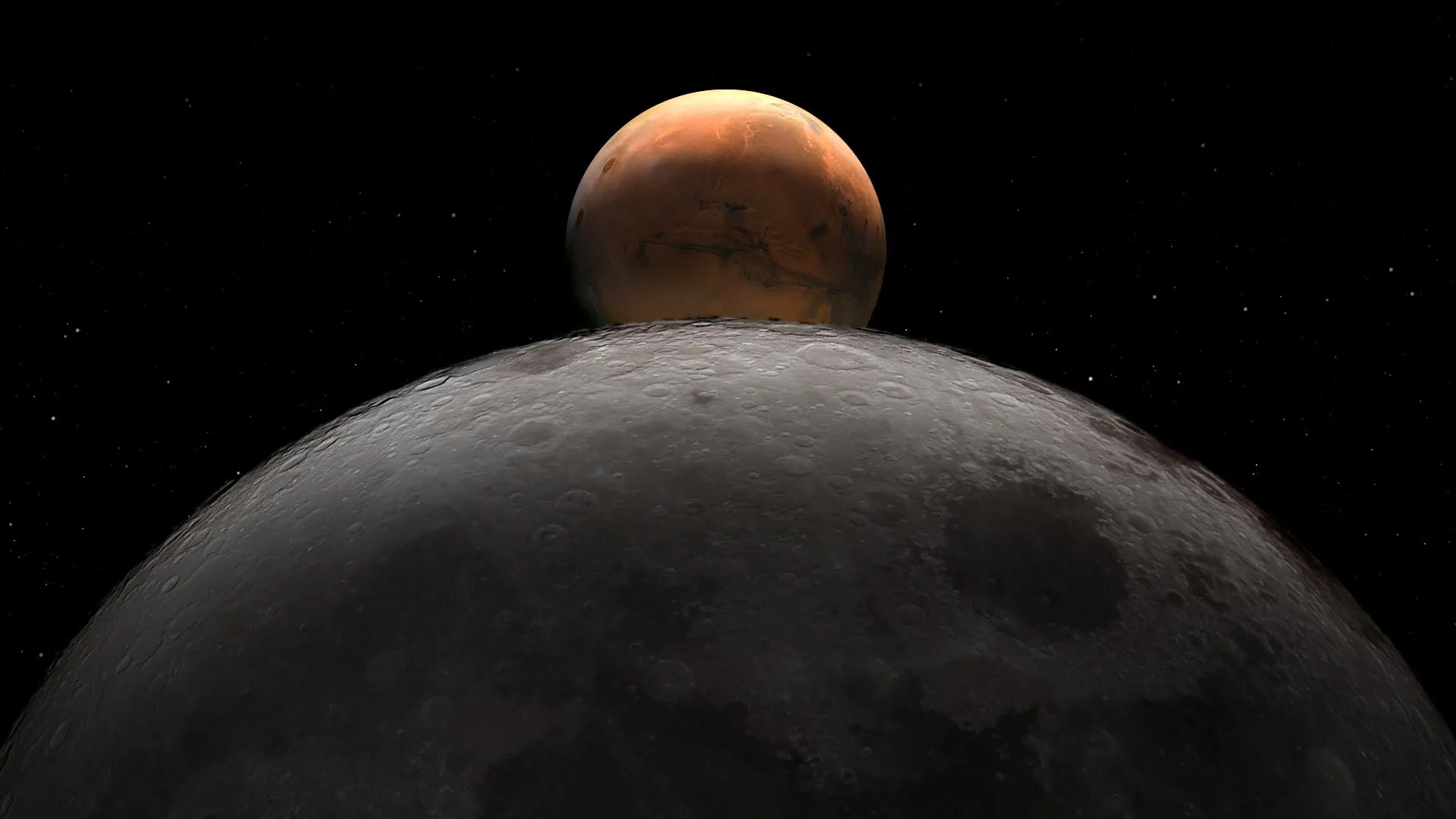
We keep our eyes on black holes and the faint hiss of the Big Bang, but the universe’s deepest mysteries are gated behind something far less romantic: Moon dust and kilowatts. NASA’s selection of 41 commercial tech projects is a quiet admission that cosmic ambition runs on grit, static cling, and reliable power. This matters because every epic journey to Mars begins with a solar array that survives a dust storm and a seal that doesn’t fail.
What’s happening here is a shift from exploration as a state monopoly to exploration as a market. These aren’t just widgets; they’re the scaffolding of a permanent off-world economy. When a private company learns to mine water or generate power on the lunar surface, they’re not just reducing mission risk—they’re inventing the infrastructure that will let humanity stay, not just visit.
For a theorist, this is the unglamorous underbelly of wonder. Every lunar outpost becomes a launchpad for deeper questions: a stable platform for telescopes, a quiet zone for gravitational-wave experiments, a base from which to chase the dark matter that shapes our models. Without these 41 technologies, those questions remain locked behind the exosphere.
So let the rockets roar, but watch the dust. The future of deep space isn’t written in launch telemetry alone—it’s forged in a solar panel that refuses to die. That’s how we turn a footprint into a homeland.