NASA's Curiosity Rover Burst Open a Rock on Mars And Found a Big Surprise
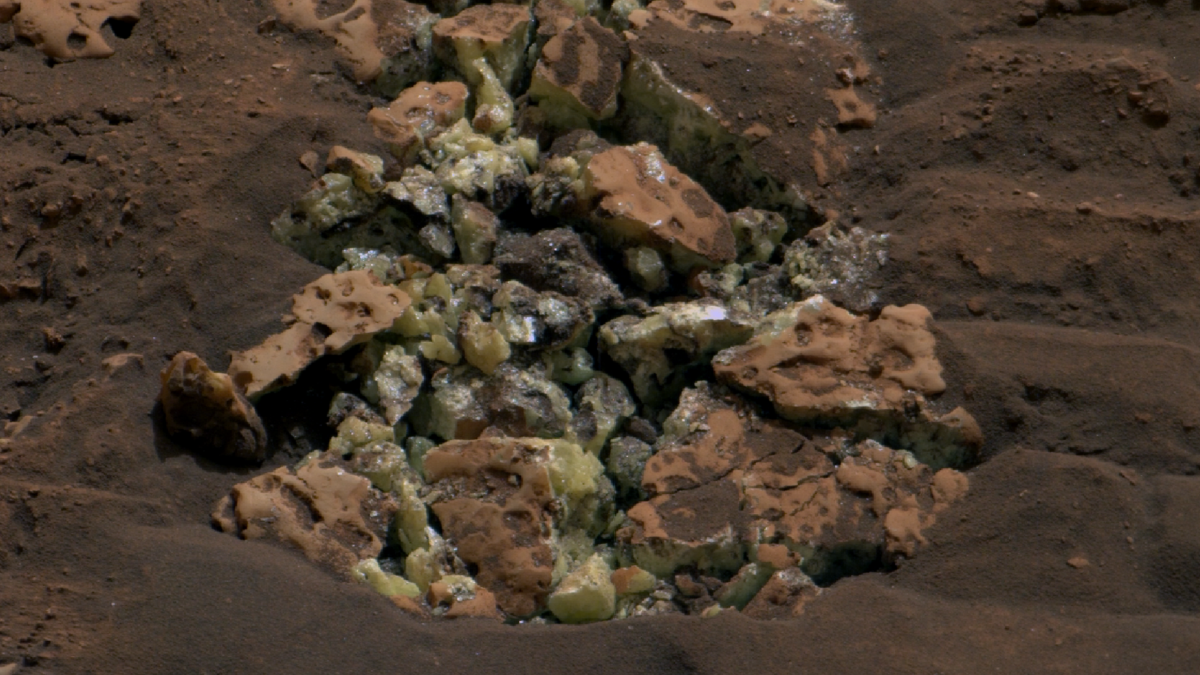
The Curiosity rover has been rolling around Gale Crater for over a decade, and you'd think we'd have a decent handle on what Mars is made of by now. Then it cracks open an unassuming rock and out come pure sulfur crystals. Not sulfate minerals, which we've seen plenty of, but elemental sulfur sitting there in a channel that was once flowing with water.
That's the part that gets me. Sulfur in its pure form is chemically unstable in the kind of oxidizing environment we associate with the Martian surface. It should react with oxygen, with water, with just about anything. So how did it survive, and how long has it been there? The leading guess involves some kind of past hydrothermal system, hot fluids moving through the rock and depositing sulfur as they cooled. If that's right, it's a window into a much more dynamic Mars than the cold desert we picture.
I'd want to know whether the sulfur is widespread or a one-off pocket. If there's a lot of it, it could be a resource for future missions, and it changes how we read the chemistry of the entire region. Mostly I just love that after all these years, a rock can still surprise us.