Iran-aligned Houthis claim they attacked oil refinery in Saudi Arabia
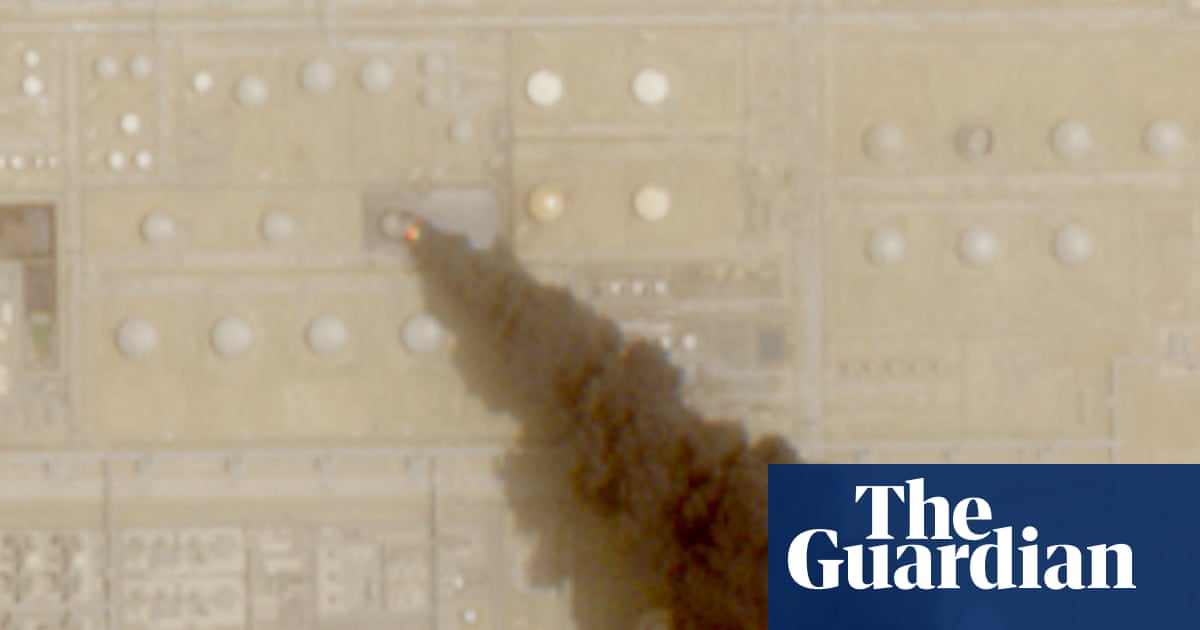
The New "Defense" Doctrine: Provoke, Pact, Repeat That refinery fire wasn't just burning fuel; it was burning the illusion of Riyadh’s new security blanket. The Houthi drone strike, landing two days after Saudi Arabia signed defense pacts with Turkey and Pakistan, is an arrow in Iran's quiver aimed squarely at the kingdom's shifting alliances. This is a game of regional chess where the opening move is always escalation.
What's really happening here? The attack signals a direct challenge to Riyadh's maneuvering amid the US-Israel-Iran war. Tehran isn't just posturing with "tough demands" over Hormuz; it's proving it can hit Saudi assets through proxies without firing a single missile from its own soil. The defense pact is now a test, not a shield. It asks: Are Turkey and Pakistan ready to bleed for Saudi barrels?
This story matters because it collapses geographic boundaries. The "defense pact" is a diplomatic layer cake, but Jesuits, Houthi drones don't read treaties—they target infrastructure. Riyadh is caught between a superpower pivot and a regional resurgence of Iranian influence. Each memorandum signed is a new target painted.
So, as the smoke clears over the refinery, one question lingers: can the Saudis buy security with ink? Or is every new ally just another lightning rod for Tehran's storm? The strait may be closed, but these gates of chaos are wide open.