How to safely observe eclipses and the solar surface with a smart telescope
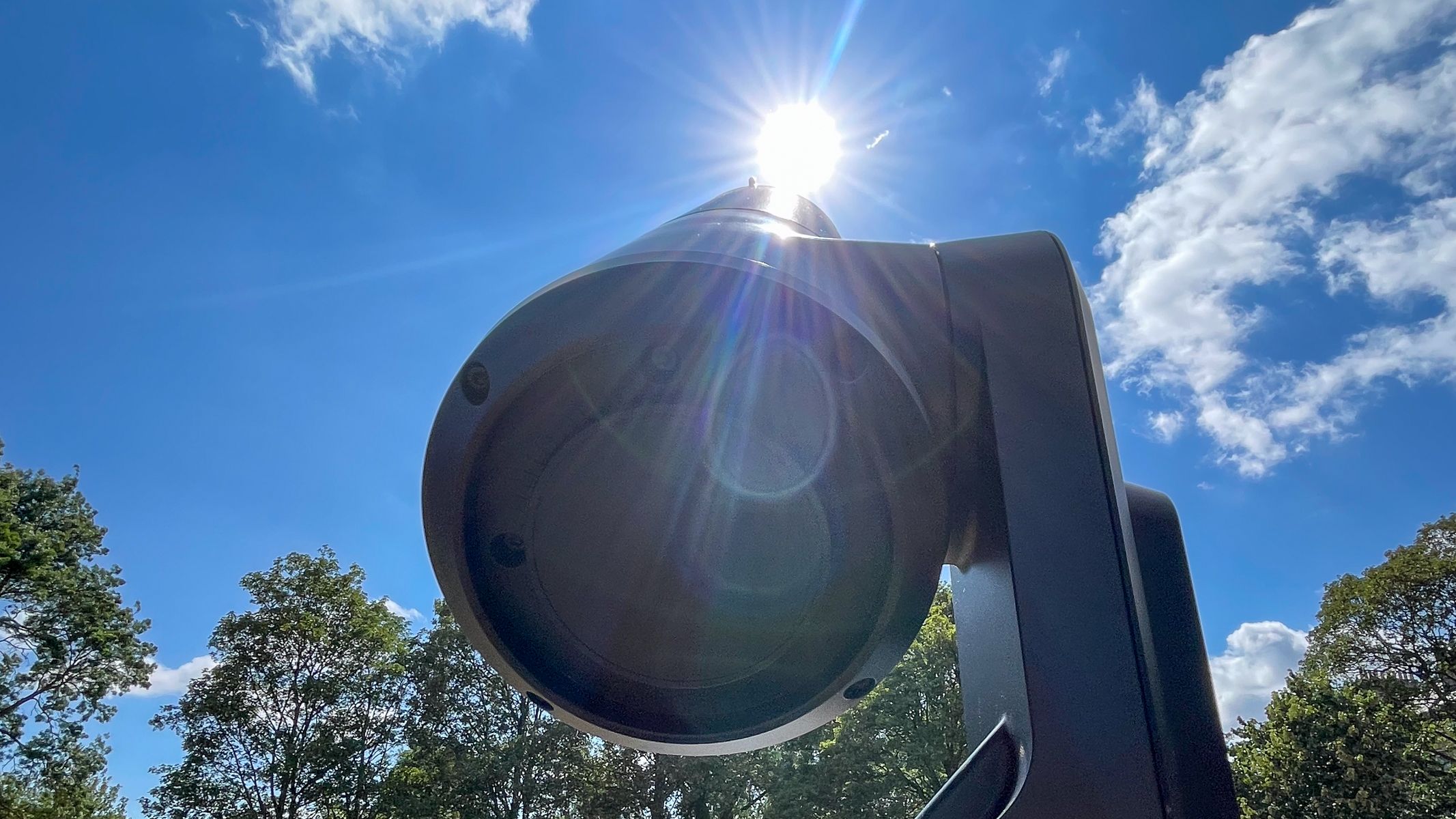
There's something almost sacrilegious about pointing a $2,000 robotic telescope at the sun. Our ancestors built stone circles and burned their eyes (or lost their status) trying to track the same celestial mechanics. The Unistellar eQuinox 2, with its dedicated solar filter, represents a fundamental shift in the astronomy paradigm: observation is no longer a skill honed over decades, but a menu option. The filter doesn't just block 99.99% of light — it transforms our star from a blinding orb into a structured, textured, magnetic beast.
The Aug. 12 total solar eclipse is a particularly juicy target because totality is the only time you can safely view the corona without any filter. The smart telescope's firmware can actually handle the dynamic range: from the blazing limb to the faint outer atmosphere, all in a single capture. This is where the "weird" part of our brand kicks in. The corona is STILL one of physics' great unsolved mysteries — it's millions of degrees hotter than the surface below it, defying every textbook law of thermodynamics. We don't just watch an eclipse for the beauty; we watch it to interrogate a star that refuses to behave.
The connection to broader science is delicious. Every eclipse image you capture with a smart telescope becomes a data point for citizen science projects, helping model coronal mass ejections and space weather that affects our satellites, power grids, and GPS. You're not just a spectator; you're a field agent for heliophysics. The article's practical advice — verifying the filter's integrity, practicing with the moon phases first, and using the observatory's auto-tracking — is really a lesson in humility before a star that could swallow a million Earths.
This is the new frontier of "armchair astronomy." We've moved from the individual genius with a hand-ground mirror to the perfectly calibrated instrument that eliminates every error except your own curiosity. And honestly? That's exactly the kind of magic we celebrate. The universe remains as weird as ever — but now we can collect it in crisp, shareable, scientifically valid pixels.