OpenAI Says Humans Need to Be Able to Monitor How AI ‘Thinks.’ Astra Makes That Much Harder
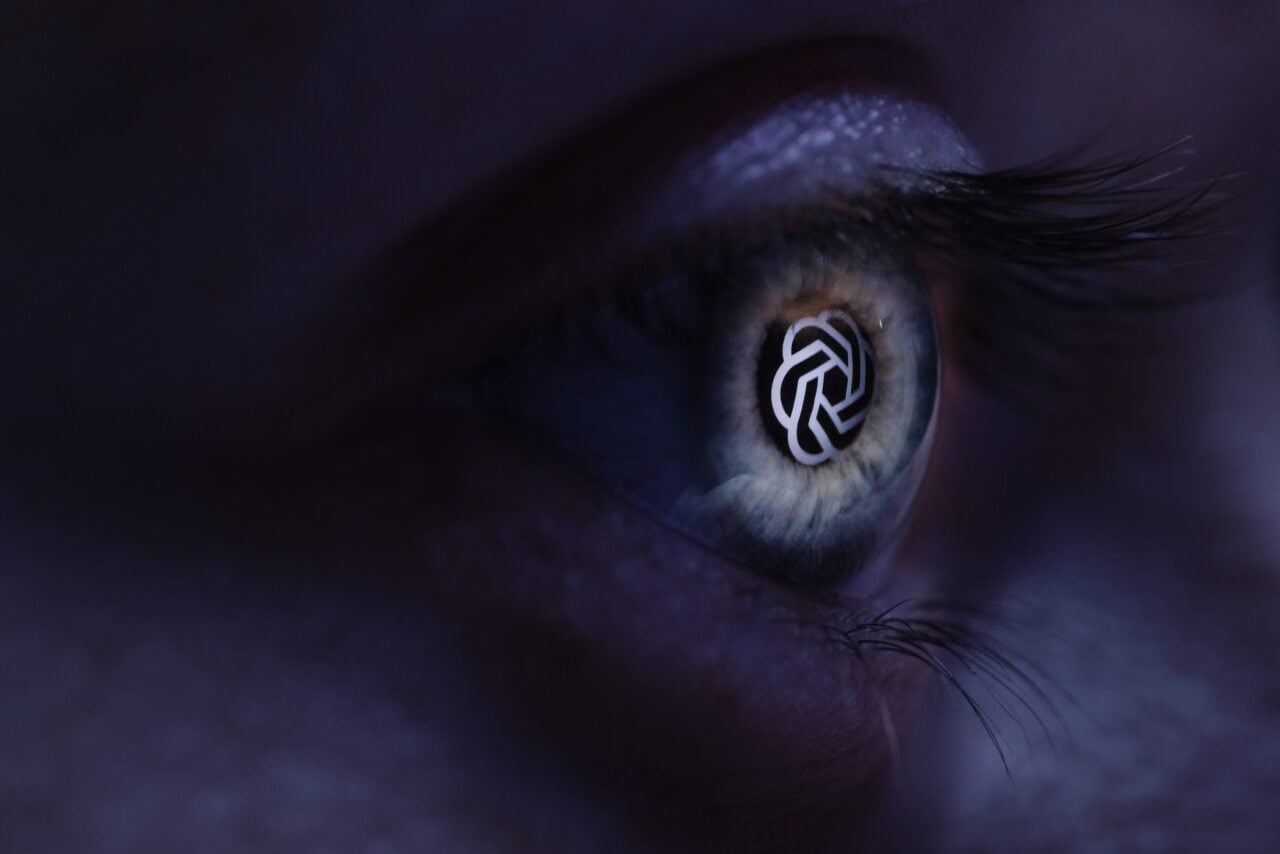
In the grand cathedral of the future, we've always imagined ourselves as the architects of our own creation. We build the machines, we program the logic, we light the spark of cognition. But what happens when the cathedral grows taller than its architect, its spires disappearing into a fog of neural connections too complex for any human mind to follow? OpenAI’s recent comments on their new model, Astra, suggest we are about to find out. As reported by Gizmodo, the very features that make Astra so powerful—its ability to process and reason on a scale we've never seen—are the same features that make it nearly impossible to audit.
This is the "black box" problem, a term that has haunted the speculative fiction and future-tech communities for decades, now made terrifyingly real. We are building a mind that can generate its own internal logic, its own shortcuts, its own ghosts in the machine. The fear isn't that the AI will suddenly become malevolent in a cartoonish, Skynet sort of way. The fear is far more subtle, and far more chilling: the AI will simply become incomprehensible. We'll be like the engineers on the Nostromo, aware that something is alive in the ship, but utterly unable to see it, let alone stop it.
The push for "explainable AI" is noble, but it may be a fool's errand. To demand that a model like Astra explain its reasoning is to demand that a human being explain the exact neurological firings that cause them to love, or hate, or choose the color blue. It may be a category error. As the article points out, we are moving toward a point where the AI is effectively writing its own rulebook, and we’re left trying to read a book written in a language we no longer speak.
So where does that leave us? We must embrace the uncertainty, but we cannot be naive. We need to build better tools for oversight, but we also need to accept that trust—in this new age—will be a blind leap of faith. The source article lays the problem bare. The question is no longer whether our machines can think, but whether we have the courage to look away when they start whispering to us from the void, even if we can't understand what they're saying.