Anak Krakatau Rumbles Again
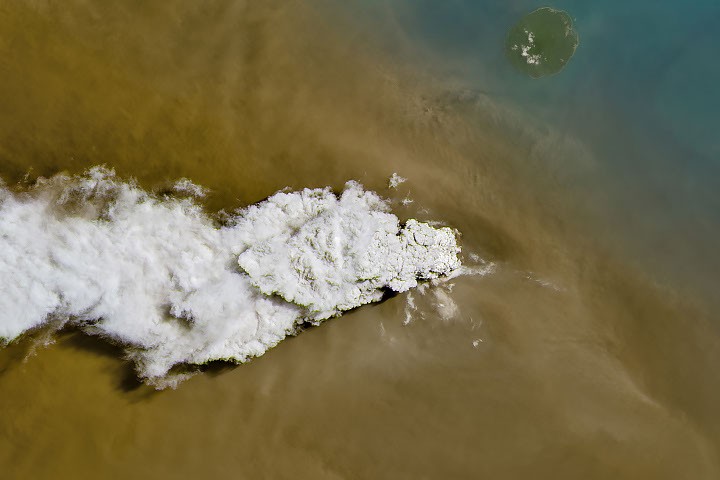
There is something almost poetic—and deeply unsettling—about Anak Krakatau. Its very name means "Child of Krakatau," and it emerged from the caldera left by one of the most violent eruptions in recorded history. Now, this child is throwing its own tantrum, and the consequences ripple far beyond its small island home. The ash cloud is not just a spectacle; it is a physical disruption of our modern world, grounding planes, coating cities in grey dust, and threatening respiratory health for millions. We watch from space, but we cannot control what happens below.
This eruption is a humbling reminder that our planet is not a finished product. It is a living, churning system, and volcanoes are its most dramatic exhalations. The same forces that built the Hawaiian Islands, the Andes, and the very crust we stand on are still active, still capable of reshaping landscapes and human schedules in a matter of hours. Anak Krakatau's activity is not an anomaly; it is a pulse in a long, ongoing heartbeat of geological change. And while our satellites give us a front-row seat, they also underscore how thin our veneer of control really is.
The science here is as fascinating as the spectacle. Volcanic ash is not just smoke—it is pulverized rock, glass, and minerals, sharp and abrasive, capable of seizing jet engines and shorting out electronics. The fact that airlines reroute or cancel flights is not cautionary theater; it is a practical response to a very real threat. But the deeper story is one of planetary memory. Anak Krakatau sits atop a legacy of destruction and rebirth, and every eruption writes a new chapter in a narrative that began long before humans existed. We are merely witnesses, and occasionally, very lucky neighbors.