Researchers find a Wordle strategy that wins 99% of the time
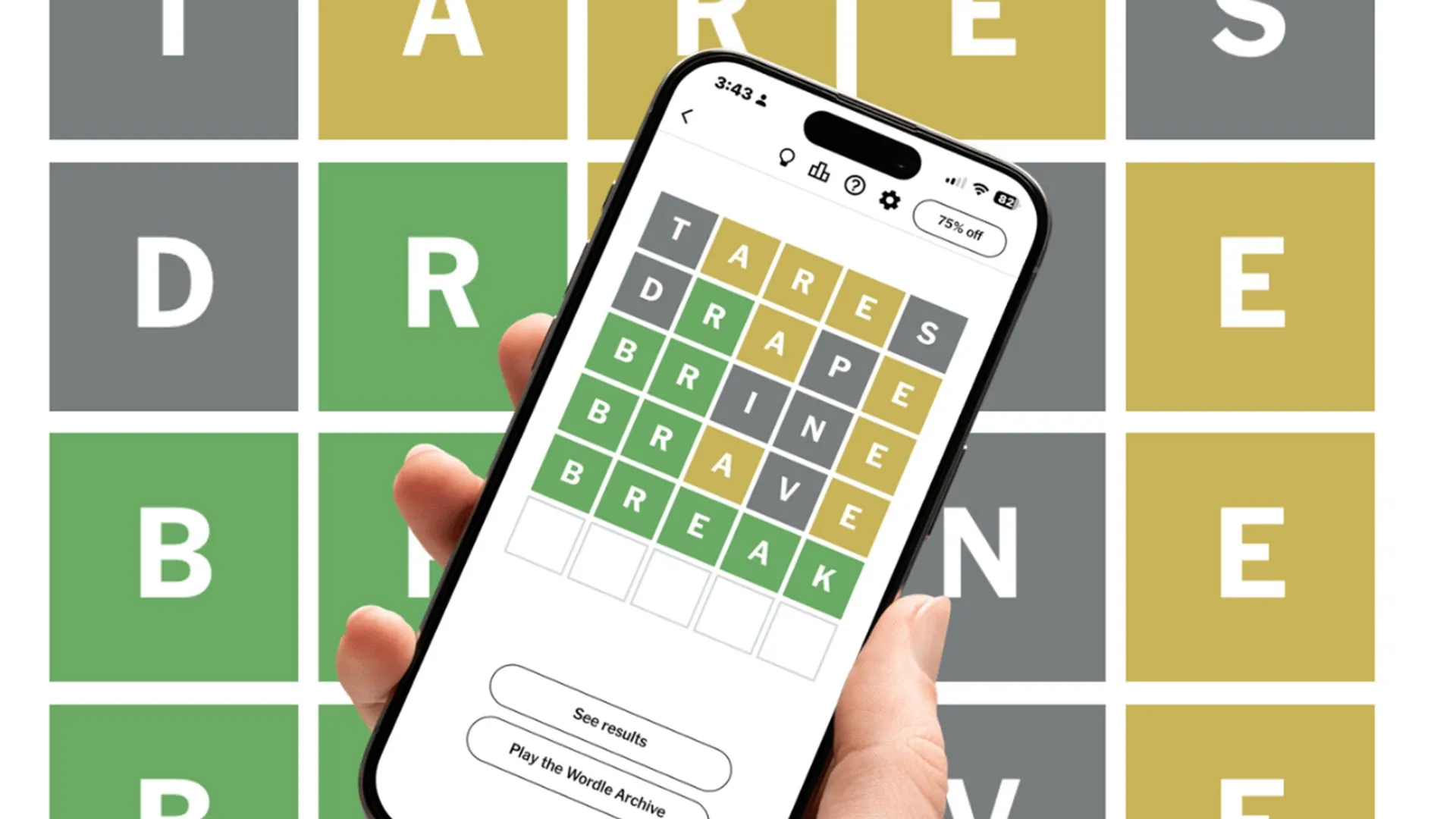
There's something almost perverse about a Wordle strategy that deliberately picks words you know are wrong. The Binghamton team's approach asks you to sacrifice the satisfying green tiles today for a batch of information that pays off tomorrow, and it works to a 99% win rate. That runs against every instinct a casual player has. We instinctively crave the immediate hit of guessing the word. The better approach treats the puzzle like a surveillance operation, where every guess is a probe.
The deeper idea is that the best question eliminates the most wrong possibilities, even when it doesn't get you closer to the answer. Claude Shannon would have loved watching this play out in a kitchen-table game. He built information theory on the notion that surprise itself is the currency of knowledge, and here it is, demystifying a five-letter word.
I'd love to see where this logic gets pushed next. Every puzzle we solve, from diagnosing a car engine to reading a political poll, is an exercise in entropy. We just rarely think of it that way. The winning move might always be the one that learns the most, regardless of how it looks in the moment.