30 Years Later, ‘Cure’ Is Still an Unassailably Hypnotic Horror Masterwork
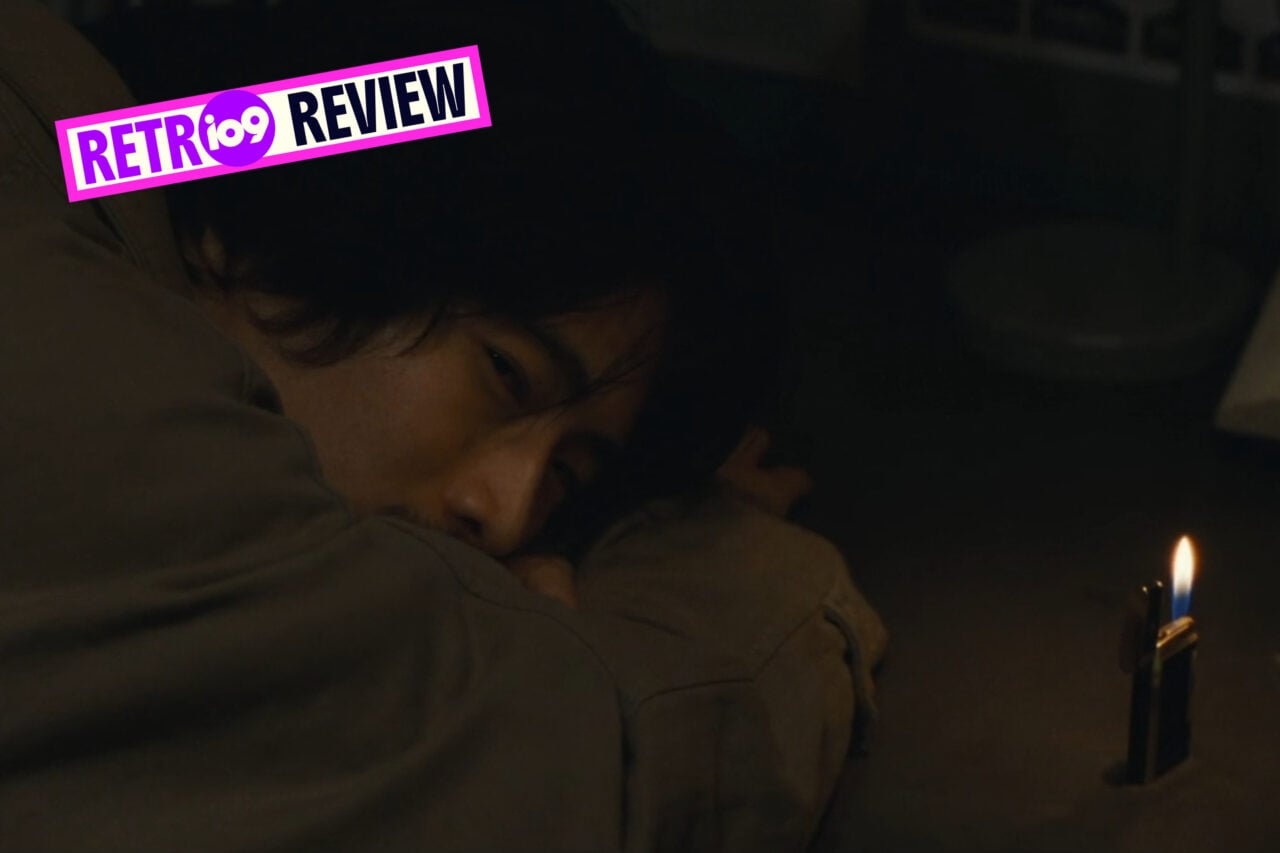
Thirty years on, Kiyoshi Kurosawa’s Cure remains a horror landmark because it doesn’t chase you—it waits inside your peripheral vision. Koji Yakusho and Masato Hagiwara don’t play hero and villain so much as two ends of a single unraveling thread. The film’s hypnotic dread isn’t supernatural; it’s a contagion of suggestion, a virus of narrative itself.
Why does this matter now? Because every “elevated horror” movie owes a debt to this quiet, clinical unraveling. Cure signals a crucial idea: the scariest map is the one that still looks accurate while the territory beneath it dissolves. That’s pure speculative fiction—an alternate world hiding behind our own procedural reality. It connects to everything from The Ring’s cursed images to detective stories where the murderer is less important than the method of unmaking.
And that method is the point. Kurosawa’s film isn’t solved; it’s inhaled. Backstage of other worlds, we are not where the map says—but Cure knows you never were.