AMD Has Its Own RTX Spark PCs (And It Still Won’t Show Them to You)
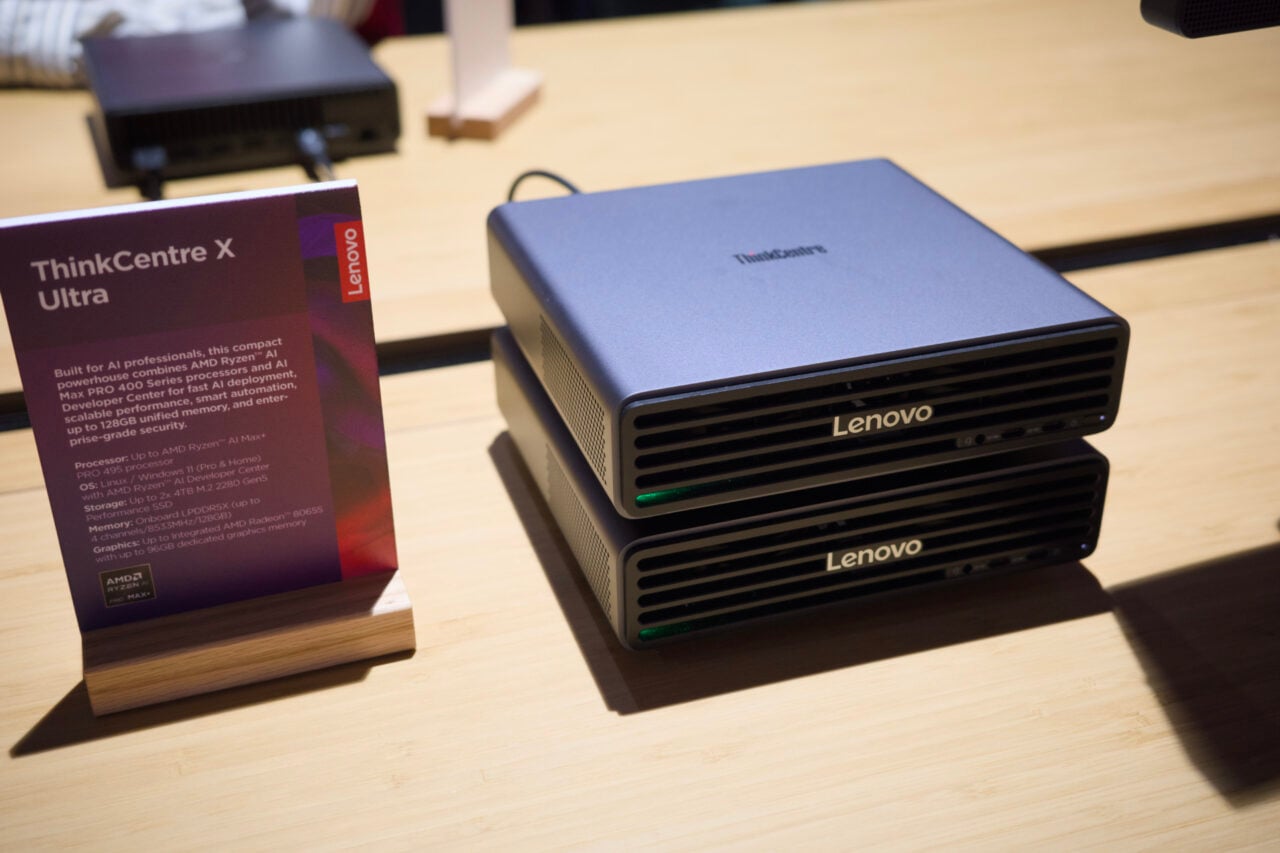
The most interesting detail in this story isn’t just the hardware—it’s the silence. AMD has its own version of the compact, AI-forward PCs that Nvidia has been championing, yet it still won’t show them to us. That restraint feels less like secrecy and more like a narrative choice: let the specs speak, let the rumor mill spin, and let the audience imagine a machine that can split its brain between neural networks and frame rates.
As Gizmodo reports, HP is preparing a laptop around AMD’s best APU. If the gamble pays off, we could see a genuinely convergent device—one where local AI inference isn’t a separate accelerator bolted onto a motherboard, but a core function of the same silicon that renders game worlds. That would mark a shift from the current era, where AI and gaming feel like two different countries sharing a border.
There’s also a deeper speculative thread here: the quiet war over the “local AI” moment. Nvidia wants to own the small-form-factor AI PC; AMD wants to own the all-in-one APU. A laptop with enough horsepower for both gaming and generative AI would be a massive statement—not just about benchmarks, but about what we expect from personal computing in the late 2020s. We are moving toward machines that aren’t merely tools, but companions capable of generating worlds, assisting with creation, and running heavy models without phoning home.
The fact that AMD won’t show its cards only deepens the intrigue. In a media ecosystem of flashy reveals and staged demos, the absent device becomes its own kind of storytelling. We are left to project our hopes onto a chip we haven’t touched. And sometimes, that imagined future is more compelling than the one that finally ships.