Microsoft executive called OpenAI's web scraping the 'largest theft of labor in human history'
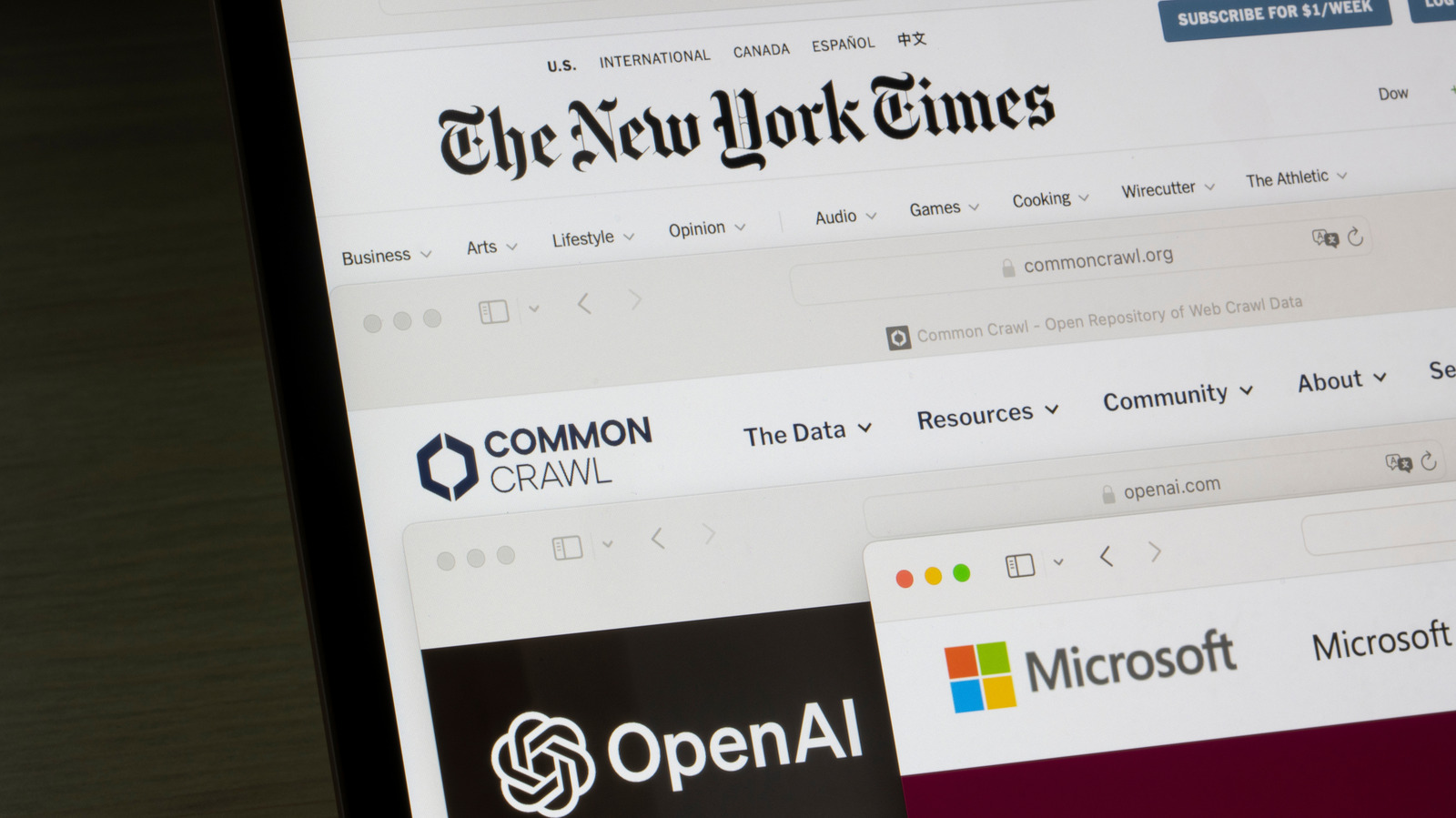
The phrase "largest theft of labor in human history" doesn't read like a legal defense or a tech-booster talking point. It reads like one engineer speaking plainly to another in a private channel, a moment where the industry's careful public framing about "learning from public data" gave way to the blunt reality of what was done.
That stark gap between the public posture and private understanding is the real story. For years, companies claimed their training runs were innocuous, merely "reading" the web the way a human might. But nobody involved believed that. When you sweep up a decade of newsroom output and turn it into a product that answers in a writer's voice, you're not engaging in scholarship. You're building a substitute for the thing you took.
The industry's counterargument has always been that AI learns from everything, the way people do. That's fine as far as it goes. But the key difference is that people don't get paid for what they read, either. The relationship between a human writer who was never asked for consent and a product that can produce millions of similar articles is a fundamentally commercial one. I'd want to know what a truly fair compensation model would even look like for that, since the scale is so vast and the value so diffuse. But the admission itself is the important part. The legacy of this technology is still being written, and these leaked documents are a reminder that it is being written by people who knew exactly what they were doing.