Cambridge scientists create a $10 chip that could put a medical lab on your wrist
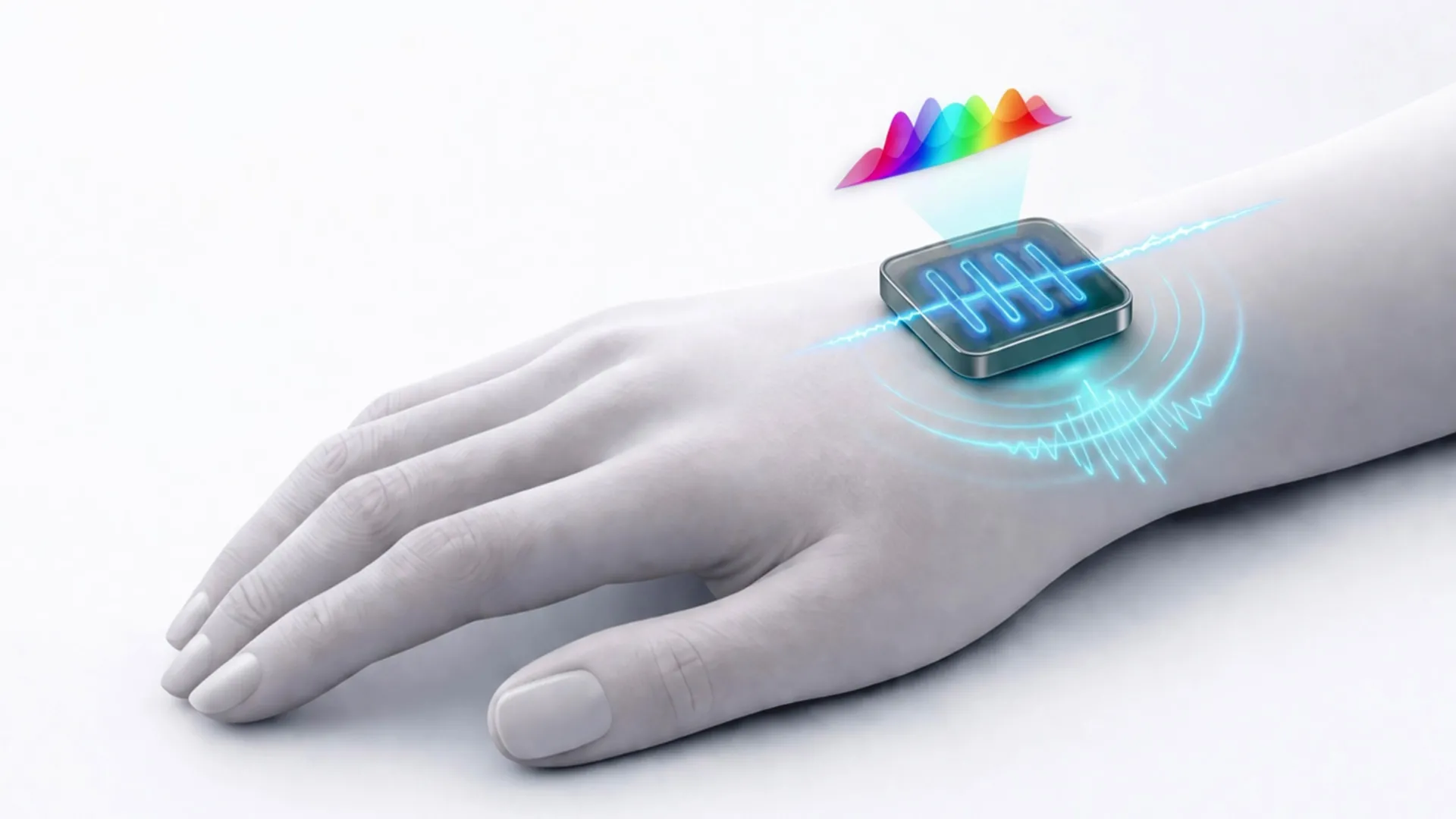
A hundred percent accuracy is the kind of number that makes me want to read the fine print. In controlled lab conditions, identifying a clean sample of a plastic or a medicine is one thing. Doing it through skin, sweat and the chaos of a real human wrist is another entirely. I'd want to know how many samples were tested, what the error bars looked like, and whether those perfect scores held up when the sensor was worn for hours, not minutes.
Still, the cost is what catches my attention. Ten dollars for a chip that could replace finger pricks for glucose monitoring is the kind of price point that actually changes access. Continuous glucose monitors exist, but they're expensive and many people can't afford them. If this chip brings that capability down to a fraction of the cost, it could shift who gets to track their health at all.
I'm hopeful, but I'm also mindful that non-invasive glucose monitoring has a long history of overpromising and underdelivering. The Cambridge team has shown something clever. Now I want to see the trials, the real-world validation, and the regulatory pathway before I recommend anyone wear it.