Scientists discover that some of the universe's biggest explosions may have never happened at all
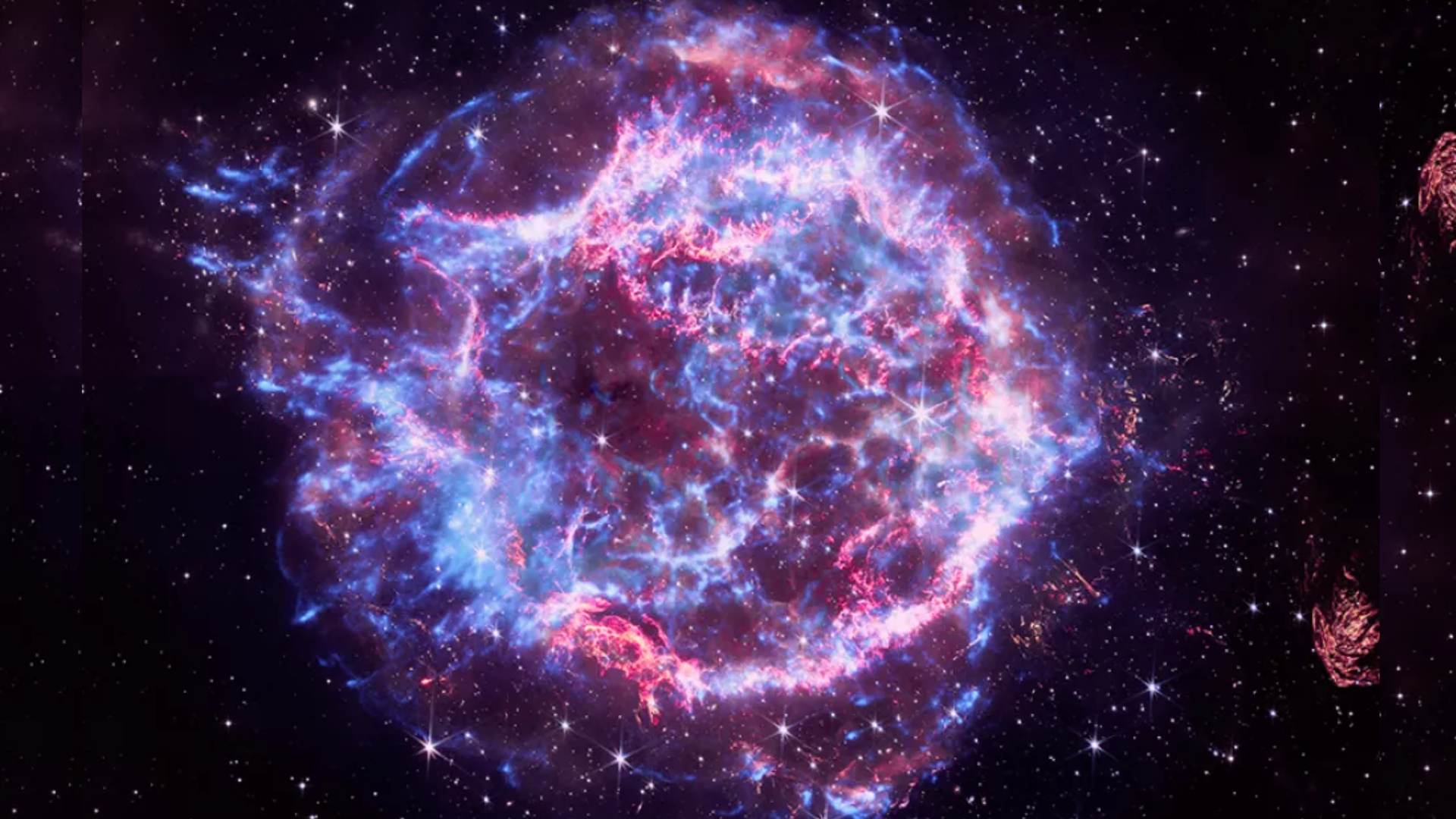
I keep thinking about what it means to erase an explosion from the sky. Hypernovas were the rock stars of stellar death, the kind of event you'd point to and say, now that's a way to go. If they turn out to be a trick of the light, then every paper that used them to explain gamma-ray bursts or the heavy elements in your wedding ring is suddenly standing on sand. That's both unsettling and thrilling.
The part I'd want to dig into is what the observations actually show instead. Maybe the light curves we attributed to hypernovas are just a different kind of stellar collapse, or maybe dust is playing games with us, making ordinary explosions look extraordinary. Either way, the universe hasn't gotten quieter. It's gotten more subtle, which is arguably more interesting.
I don't think this means we were wrong about everything, but it's a good reminder that our catalogs of cosmic violence are built on assumptions we rarely test. When a whole class of explosion gets deleted from the textbooks, you have to wonder what else is waiting to be un-discovered.