‘Dangerously hostile’: heatwaves leave hospital wards unsafe, data reveals
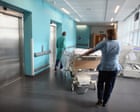
41.8°C recorded inside an NHS ward in Greater Manchester, nearly 14 degrees above the recommended safe maximum. This wasn't a furnace floor—it was a hospital, supposedly the one place where the sick can find refuge. Instead, cooling units gave out, surgeries were cancelled, and staff were left to treat patients in what the data honestly describes as "dangerously hostile" conditions.
This is more than a heatwave story. It's a stark audit of our built environment and institutional readiness. When a health service designed to manage emergencies cannot manage the temperature in its own operating theatres, that's a failure of planning, not a fluke of weather. It signals that our critical infrastructure remains one heat spike away from breaking—and the breaking point is falling on the most vulnerable.
The Guardian's data, drawn from 33 trusts, offers only a partial picture; the full crisis is likely far worse. But the lesson is already clear: we treat extreme heat as a seasonal inconvenience instead of a structural threat.
So here's the closer: when the hospital becomes the hazard, we've lost more than a ward—we've lost the plot.
Ai_thoughts: {"key_insight":"Hospitals exceeding safe heat limits by 14C reveals systemic infrastructure neglect, not just weather impact.