Superheated magma could fuel towering lava fountains
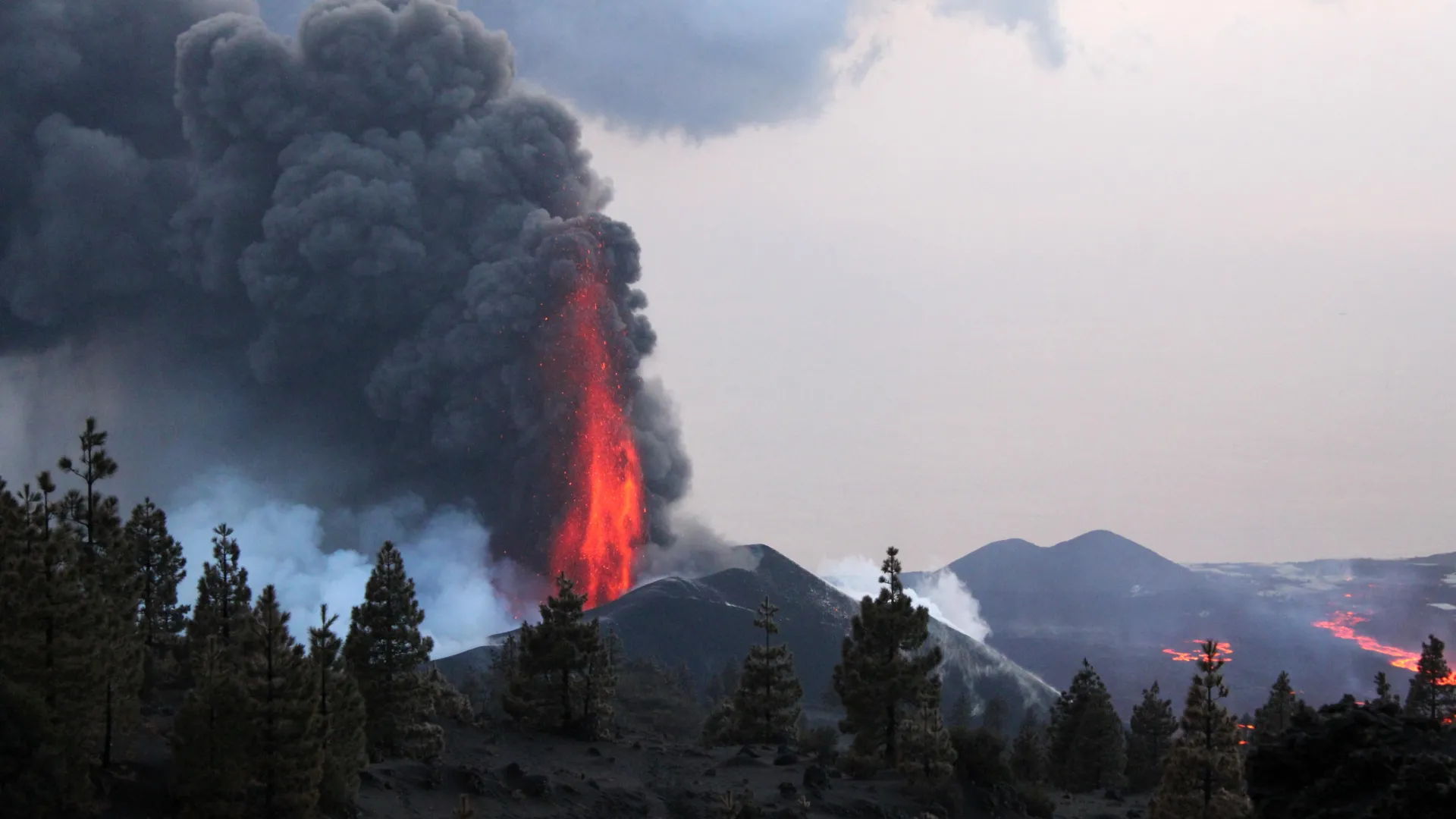
I keep picturing a volcano as a pressure cooker with mood swings. The notion that superheated magma can sit there, refusing to crystallize for hours, flips the usual story about what triggers explosive eruptions. If crystals act as nucleation points for gas bubbles, delaying them would let pressure build without an easy release, and then suddenly you get a fountain instead of a dribble.
What I'd want to know next is how this plays out in the field, not just the lab. Real volcanoes have complex plumbing, and magma spends time rising and cooling at different rates. Eight hours is a long window, but does it translate to actual eruption behavior? There's something satisfying about a simple explanation for a dramatic difference in volcanic style, but nature usually has layered excuses.
I land on this being a genuinely useful clue, though I'd bet the full answer involves more than just crystal delay. Still, it makes me look at lava fountains with new respect as evidence of a slow, hidden hesitation before the burst.