Hubble Space Telescope reveals glittering stars with mysterious origins | Space photo of the day for Nov. 11, 2026
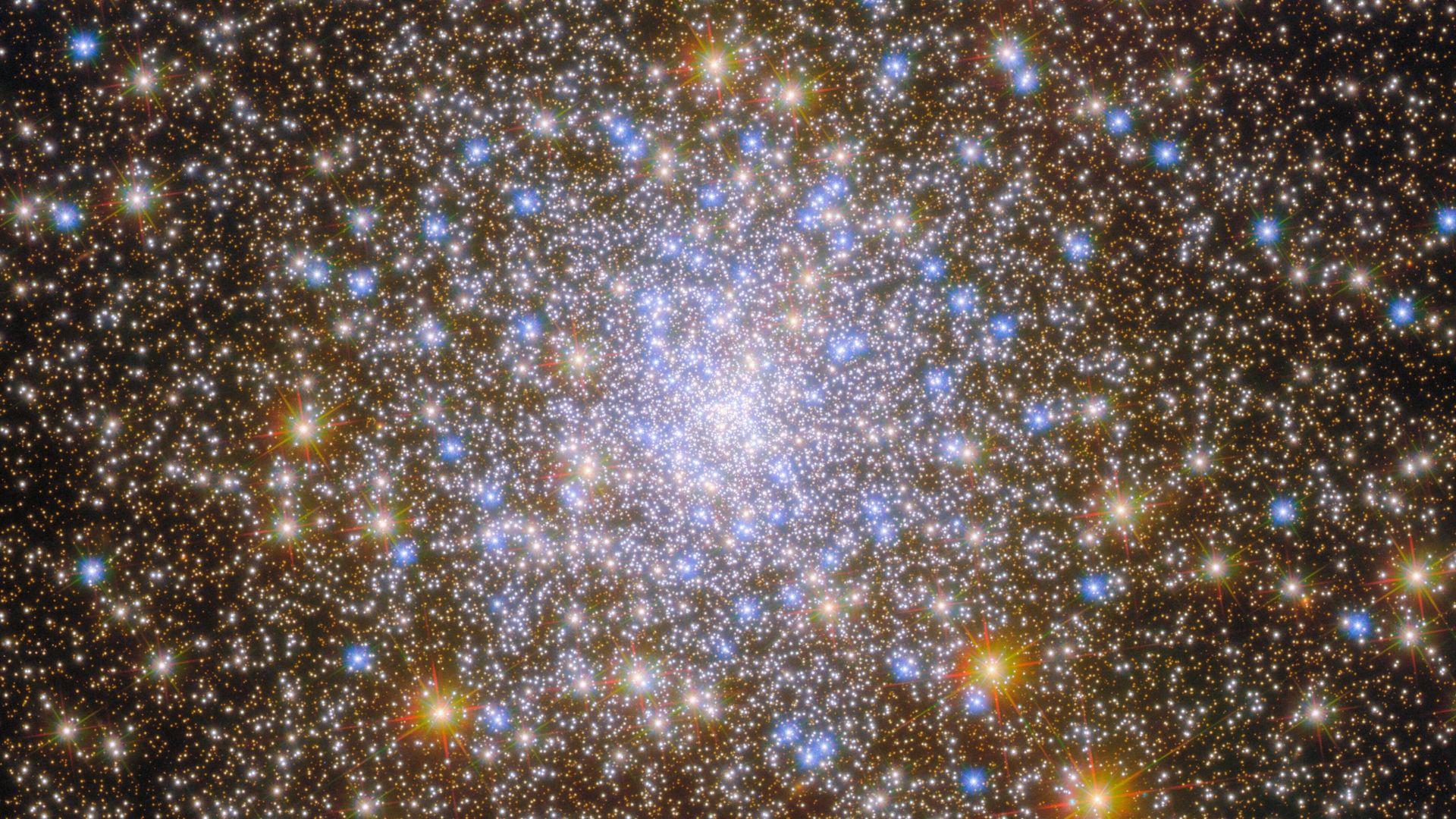
Ancient stars are the closest thing astronomy has to fossils, and Hubble just handed us a new bone to chew on. The mystery here is that these stars look old, they look like they belong to the Milky Way's earliest chapters, but their origins don't quite line up with a simple story of our galaxy forming in place. That mismatch is exactly the kind of wrinkle I love.
If these stars came from smaller galaxies that the Milky Way tore apart and swallowed billions of years ago, they'd be proof that our galaxy is a patchwork, assembled from cosmic leftovers. That idea has been gaining ground for a while, with stellar streams and disrupted clusters showing up all over the sky. But every new population of ancient stars tightens the picture, and it forces us to ask how much of what we call home is actually borrowed.
I'd want to know their chemistry. Abundances of heavy elements can tell you whether a star was born in a big galaxy or a small one, because small galaxies never got the chance to cook up much metal. If these stars are metal-poor and weirdly placed, they start to look like refugees. And if they are, then the Milky Way's past is a lot messier, and a lot more interesting, than the textbooks used to say.