NASA calls off mission to rescue Swift gamma-ray observatory
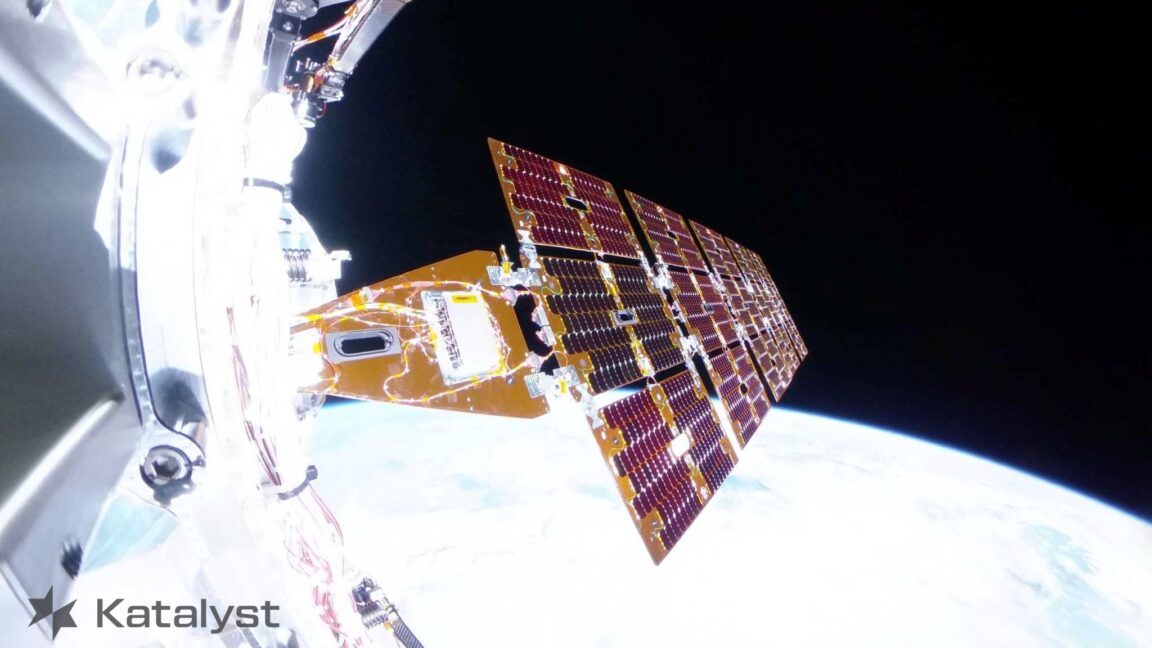
There's something quietly profound about watching a machine's life end the way its greatest discoveries begin—with a flash of light. Swift wasn't just a satellite; it was a cosmic first-responder, a robotic firefighter for the universe's most cataclysmic events. When a gamma-ray burst—a death cry of a dying star or the birth scream of a black hole—erupted somewhere in the cosmos, Swift would swing its instruments toward it within seconds, capturing the afterglow that other telescopes never got close to.
NASA's decision to call off the rescue isn't a failure of engineering; it's an acceptance of physics. Swift has been in low Earth orbit since 2004, and without a boost—a propulsive "nudge" that would require a dedicated servicing mission—atmospheric drag eventually wins. It's the same inexorable fate that awaits every satellite, a slow, inevitable spiraling dance with the very air that our own planet's gravity holds so close. The mission's end isn't a design flaw; it's the natural arc of every orbit, a reminder that even our best instruments are not immune to entropy.
What's particularly striking is what we're losing. In its two decades, Swift has captured thousands of gamma-ray bursts, helping us map the most energetic events in the universe. It has watched supernovae explode, tracked the aftermath of black hole mergers, and given us a glimpse into the very early universe. The data it has already sent back will keep scientists busy for years, but the observatory itself will soon be nothing but a falling star. There's a certain cosmic irony: a telescope that was built to look outward will end its life looking inward—burning up against the very planet it was designed to serve.
And yet, there's a strange comfort in this ending. Swift's reentry is a reminder that even our most advanced creations are temporary. In a universe that is constantly creating and destroying, we are just the latest chapter in a story of cosmic recycling. Its atoms will mix with our atmosphere, and someday, perhaps, they'll be part of a new storm, a new cloud, a new wave of light. It's not a death; it's a transformation. As we say goodbye to one of our most precious eyes on the universe, we should remember: the universe doesn't end when we stop looking. It just gets quieter—until the next one flies.