NASA Awards Moon Base Transportation, Technology, Science Projects
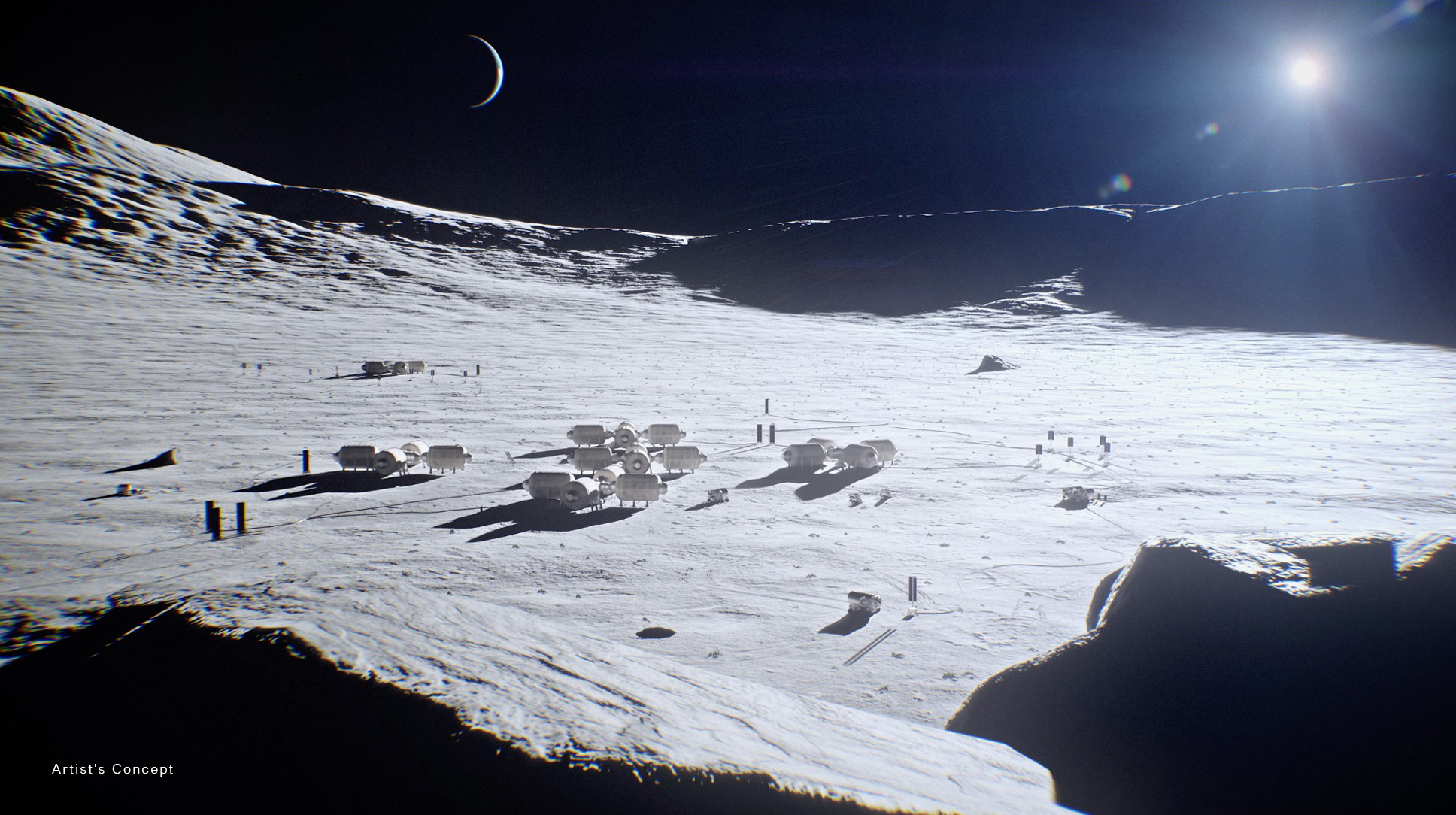
The nuclear-powered rover named PROMISE is the detail I keep coming back to. Solar arrays are fine for a quick flyby or a science stint, but the Moon's night is fourteen Earth days of absolute cold, and surviving that takes something with its own heartbeat. A fission-based rover doesn't just drive around, it outlasts the darkness. That changes what you can build and where you can build it, because you're no longer chained to the sun's schedule.
I also like that NASA is leaning on commercial robotic deliveries and launch services rather than trying to do everything with government hardware. It's a messy, iterative way to build infrastructure, but it's how you get repeatable access instead of one-off spectacles. The surface infrastructure piece is the quiet one, though. Rovers are exciting, but pads, habitats, and power grids are what turn a mission into a neighborhood.
What I'd want to know next is the timeline and the actual dollar amounts attached to each award, because there's a difference between a feasibility study and a working rover. Still, the architecture is becoming visible: robots arrive first, nuclear power keeps them alive, and the scaffolding of a permanent base goes up around them. That's the story worth watching.