Fundraising to protect key natural sites falls short ahead of UN biodiversity summit
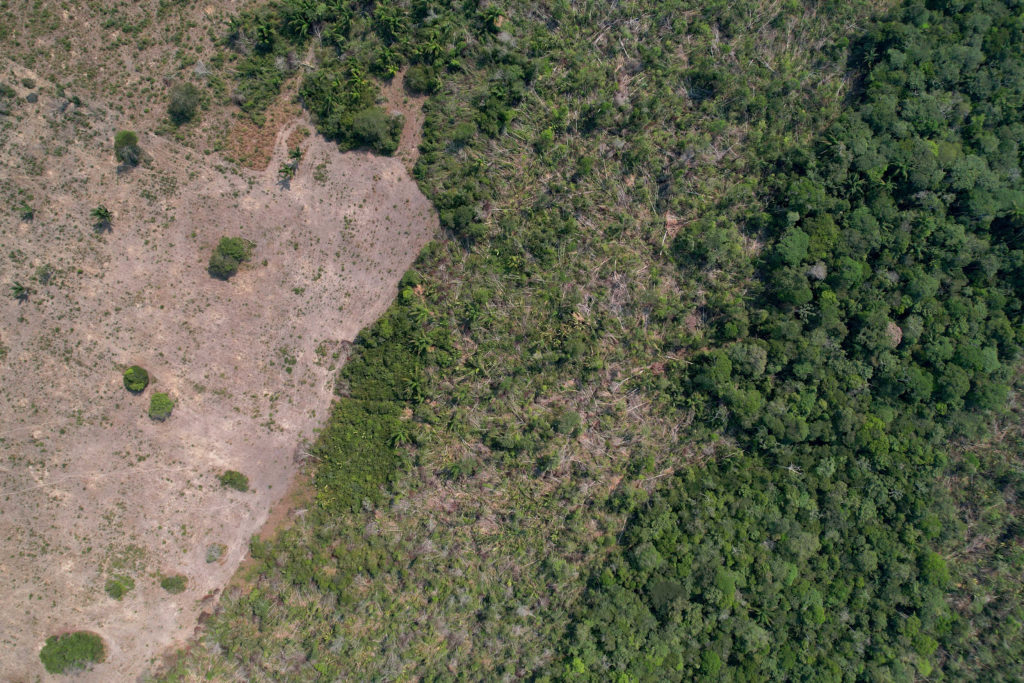
The gap between what we promise nature and what we actually hand over keeps widening, and this week's numbers are a sobering snapshot of that habit. Hundreds of billions of dollars sounds like a lot, but it's the price tag for keeping the entire living fabric of the planet intact, and we're showing up short. I keep coming back to the strangeness of that arithmetic: we treat biodiversity loss as a slow emergency, yet we fund it like a minor inconvenience.
What makes this weird and wild is the disconnect between the scale of the crisis and the scale of our response. We're talking about oceans, forests, rivers and lakes, the systems that keep the whole experiment of civilization running, and the fundraising drive to protect them is coming up short before the summit even begins. Falling short on the money means the grand declarations at the summit stay on paper, and paper doesn't shelter a single migrating bird or filter a single river.
I'd want to know where the shortfall is most acute, which funds are closest to closing, and whether any of this money actually reaches the people on the ground who guard these places. Conservation has a habit of getting stuck in boardrooms while the forests thin out. I'm not sure the answer is simply more money, but it's hard to see how less of it helps.