Monday briefing: How the new phase of confrontation at al-Aqsa signals a challenge to the status quo
Status Quo, Meet Guillotine
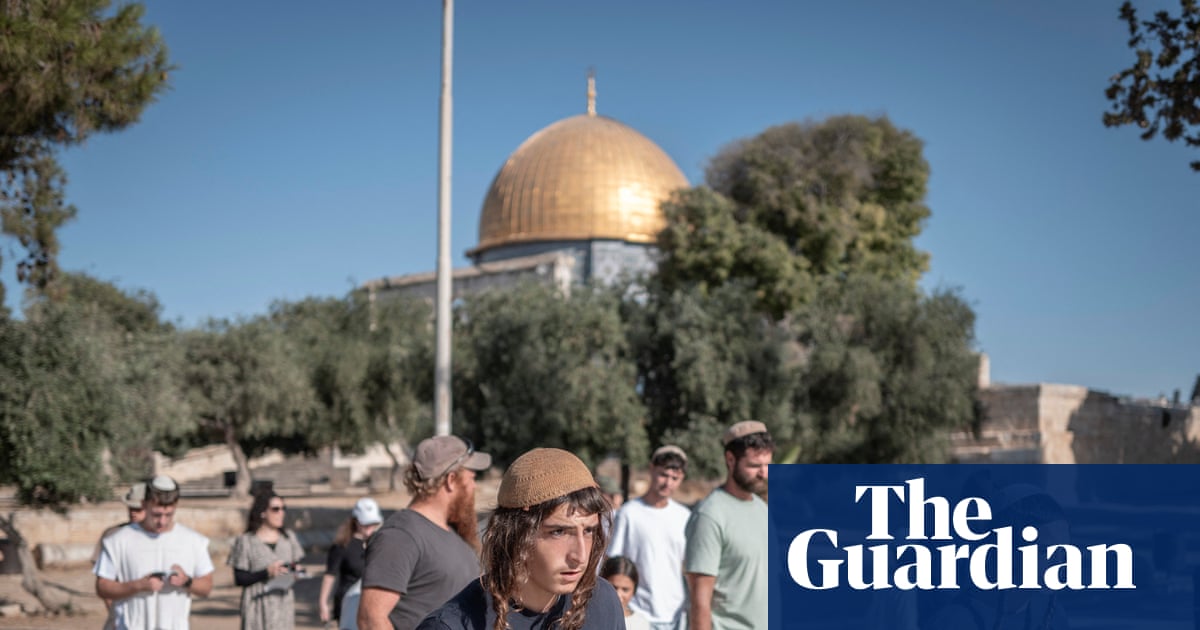
When a sitting cabinet minister marches 2,000 strong onto the holiest plateau in Jerusalem, he isn't just making a pilgrimage—he's erasing a border. The al-Aqsa storming isn't noise; it's a political marker. It signals that the foundational "status quo" arrangement—the unwritten rule that has kept the site from igniting a regional war since 1967—is now officially dead weight in Israeli coalition politics.
Here's the sharp take: This isn't merely Ben-Gvir's extremism. It's Netanyahu's calculus. By allowing his security minister to run the flashpoint as political theater, the Prime Minister is outsourcing his coalition's survival to the most volatile fuse in the Middle East. Arab capitals see this clearly, and so do former Israeli security chiefs—a rare bipartisan chorus of alarm that reveals how isolated this government has become from its own defense establishment.
This matters because the "Israeli barcode" of the conflict is shifting. The two-state solution isn't just stalled; it's being physically bulldozed by the very officials meant to manage it. Every entrance into the compound is a preview of a future where religious nationalism trumps diplomatic protocol. And that signals a transformation: from managing the conflict to daring the Islamic world to respond.
The old script of "provocation versus deterrence" is being rewritten, and the moderates are losing the page. If the guardians of the status quo are the ones sounding the alarm, you know the roof is genuinely leaking. The peace process doesn't need a better sequel—it needs a warning label instead.