Scientists Use Ancient Rains to Map the Possible Origin Life on Mars
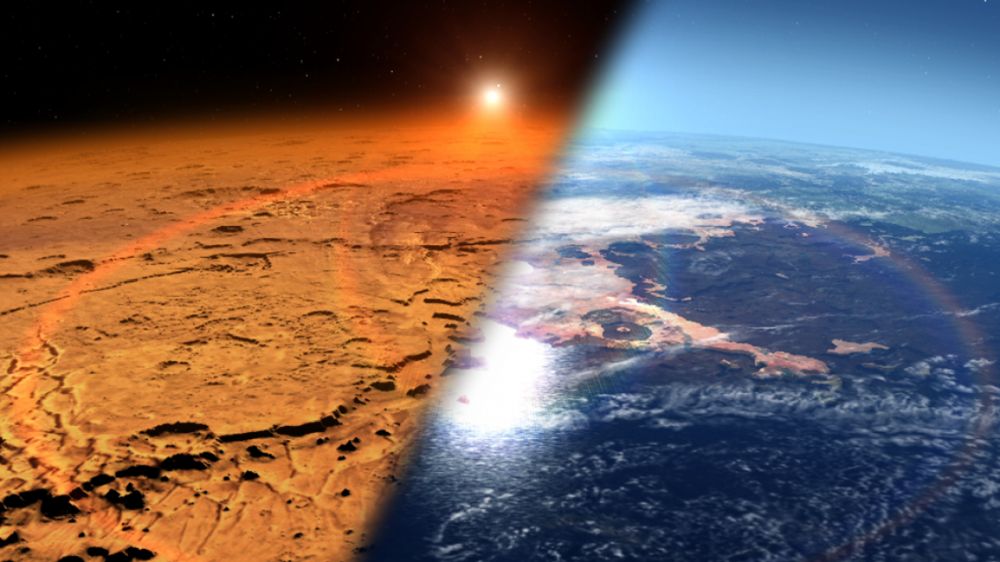
The idea that rain may have ferried formaldehyde to specific Martian basins is oddly poetic, and it gives mission planners something they desperately need, a shortlist of places to dig. I keep coming back to the timing though. This works only if the chemistry happened before the planet dried out and lost its atmosphere, which narrows the window to maybe a few hundred million years. That's a blink in planetary terms, but for prebiotic chemistry it might have been just enough.
I'd want to know how the researchers handled the uncertainty in their ancient climate models, because a map is only as good as the weather forecast behind it. Still, the delivery angle is what sells it for me. Plenty of papers ask whether Mars could make formaldehyde, and fewer ask how it would actually reach the ground in a usable form. If the next rover lands on one of these predicted hotspots and finds even a trace of organics, this rain map becomes a guide to where life's first wet stumble might have happened. I hope future missions take it seriously enough to aim their drills accordingly.