The UK is about to witness its most spectacular solar eclipse in 11 years. Here's what you need to know
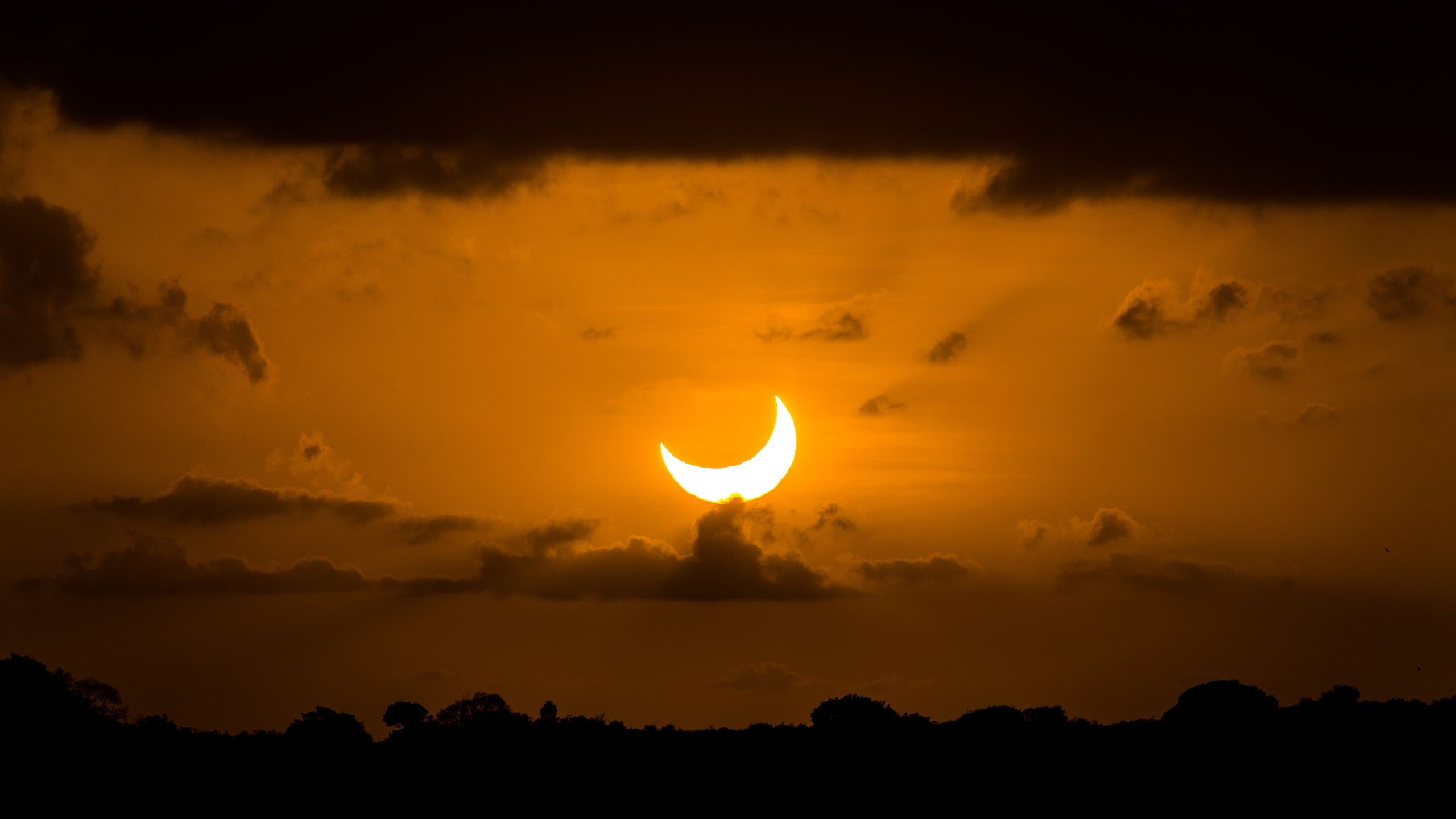
There's something almost mischievous about a partial solar eclipse. It teases us with the promise of totality, then pulls back at the last moment, leaving a sliver of blinding brilliance like a half-closed eye. For the UK, August 12th offers exactly that—a dramatic 98% obscuration that will plunge parts of the country into a strange, muted dusk while the sun's corona remains stubbornly hidden. It's the celestial equivalent of a cliffhanger, and it's precisely that tension that makes partial eclipses so compelling.
We tend to fixate on totality as the "real" event, and for good reason—the corona, the diamond ring, the sudden drop in temperature are all breathtaking. But a 98% partial eclipse is not 2% less spectacular; it's a fundamentally different experience. As the moon covers nearly all of the sun, the quality of light shifts in ways that feel almost supernatural: shadows sharpen, colors drain, and birds may begin their evening songs. The sky doesn't go black, but it does go strange, and that strangeness is a portal to understanding the mechanics of our solar system.
What makes this eclipse particularly notable is its rarity. The last time the UK saw such a deep partial was over a decade ago, and the next comparable event might not come for years. For many, this will be a once-in-a-generation chance to witness the moon's shadow brushing past Earth without committing to a full alignment. It's a reminder that celestial events don't need perfection to be profound—sometimes the near-miss is just as awe-inspiring as the bullseye.
Of course, safety remains paramount. Even at 98% coverage, the remaining sliver of the sun is intense enough to cause permanent eye damage. Eclipse glasses or indirect viewing methods are non-negotiable. But beyond the practical advice lies a deeper invitation: to step outside, look up, and feel the universe's clockwork turning. As Carl Sagan might have said, we are made of star-stuff, and for a few fleeting minutes, the star that gives us life will seem to wink at us. Don't miss it.