SpaceX wraps Starlink double header day with the launch of 24 Starlink satellites from California
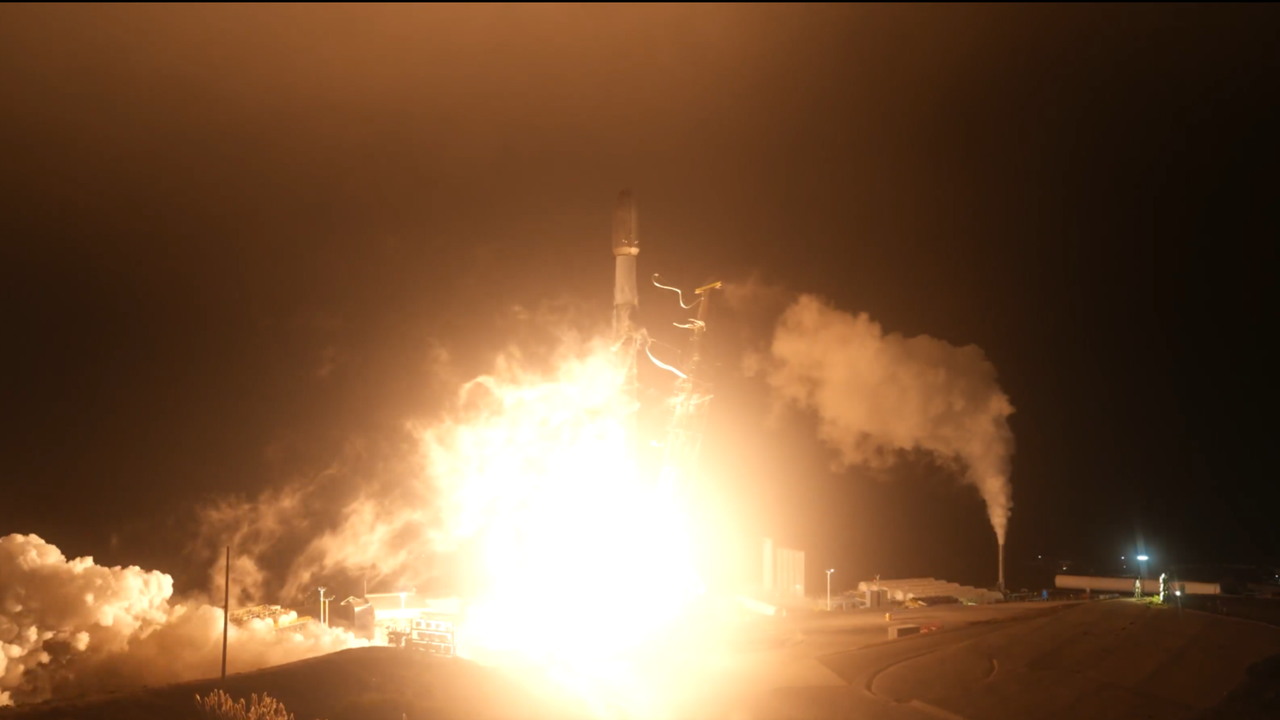
Two launches in a single day, 24 more satellites bolted onto the orbital highway—SpaceX isn't just launching hardware; it's rewriting the architecture of the night. And that matters more than any one payload, because we've stopped being passive viewers of the cosmos and become its renovators.
This Starlink double-header signals a profound shift: the sky is no longer a cathedral of untouchable light, but a utility grid. While we chase dark matter—the universe's invisible scaffolding—we're simultaneously blanketing low Earth orbit with a visible, metallic constellation that will outshine the very phenomena we seek to understand. Astronomers call it interference. Futurists call it progress. Both are right.
Each launch is a promise of connectivity, but also a quiet trespass on the ancient dark. The stars we're drowning out took billions of years to reach us; these satellites took a few hours to get in the way. The deepest mystery isn't what hides in the dark—it's what we're so eager to turn on.
{"key_insight":"We are replacing cosmic wonder with orbital infrastructure, trading the pristine sky for a human-made one.