Eufy’s New Robomower Has Its Own Edge-Trimming Arm
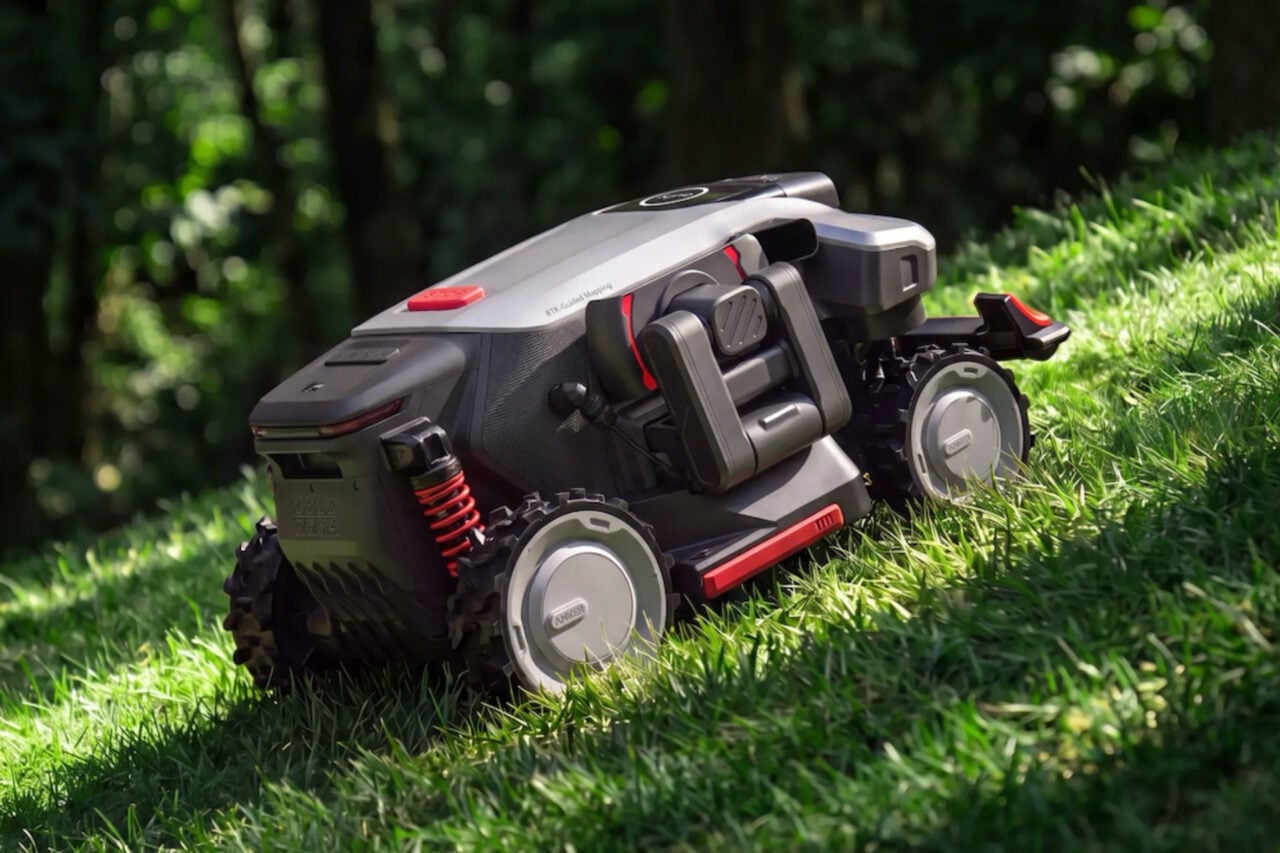
The humble lawn mower has been quietly undergoing a robotic revolution, and Eufy’s new edge-trimming arm feels like a watershed moment. For years, autonomous mowers have handled the open field, but the final frontier—the crisp, clean edge—has remained a manual chore. This innovation isn’t just a convenience; it’s a declaration that robots are ready to take over every inch of our manicured domains. The fact that it’s likely skipping the U.S. market is a reminder that technological adoption isn’t just about capability—it’s about market strategy, regulatory landscapes, and consumer expectations.
There’s something almost poetic about an arm that reaches out to trim the boundaries. It’s a metaphor for how robotics are expanding their grasp, not just in scale but in precision. Yet, the U.S. exclusion hints at deeper currents: perhaps the fragmented nature of American lawns—uneven terrains, diverse grass types, or even the cultural attachment to the traditional push mower—makes a one-size-fits-all robot a harder sell. Or maybe it’s a supply chain calculus that prioritizes markets with higher density of suburban properties. Either way, the decision underscores how global tech rollouts are as much about sociology as engineering.
From a broader lens, this robomower represents the next step in the “smart home” narrative. We’ve automated our lights, thermostats, and vacuums; now we’re automating the outdoors. The edge-trimming arm is a small but significant leap toward a fully self-maintaining property—a vision that feels both liberating and slightly unsettling. Who needs a landscaper when your robot can handle the fringes? But it also raises questions about job displacement and the environmental cost of robotic lawn care. The future is efficient, but it’s not without its thorns.
Ultimately, Eufy’s decision to keep this model away from U.S. shores is a tease—a promise of what’s coming, but not yet. For those of us who dream of a morning where the lawn is already perfect, we’ll have to wait. But the fact that such a feature exists at all is a signal: the robots are not just mowing; they’re reaching for the edges. And when they do arrive, they’ll likely transform our suburban landscapes in ways we’re only beginning to imagine. For now, we watch from across the ocean, trimming our own edges with a mix of envy and anticipation.