Why EV fast charging slows down after 80 percent
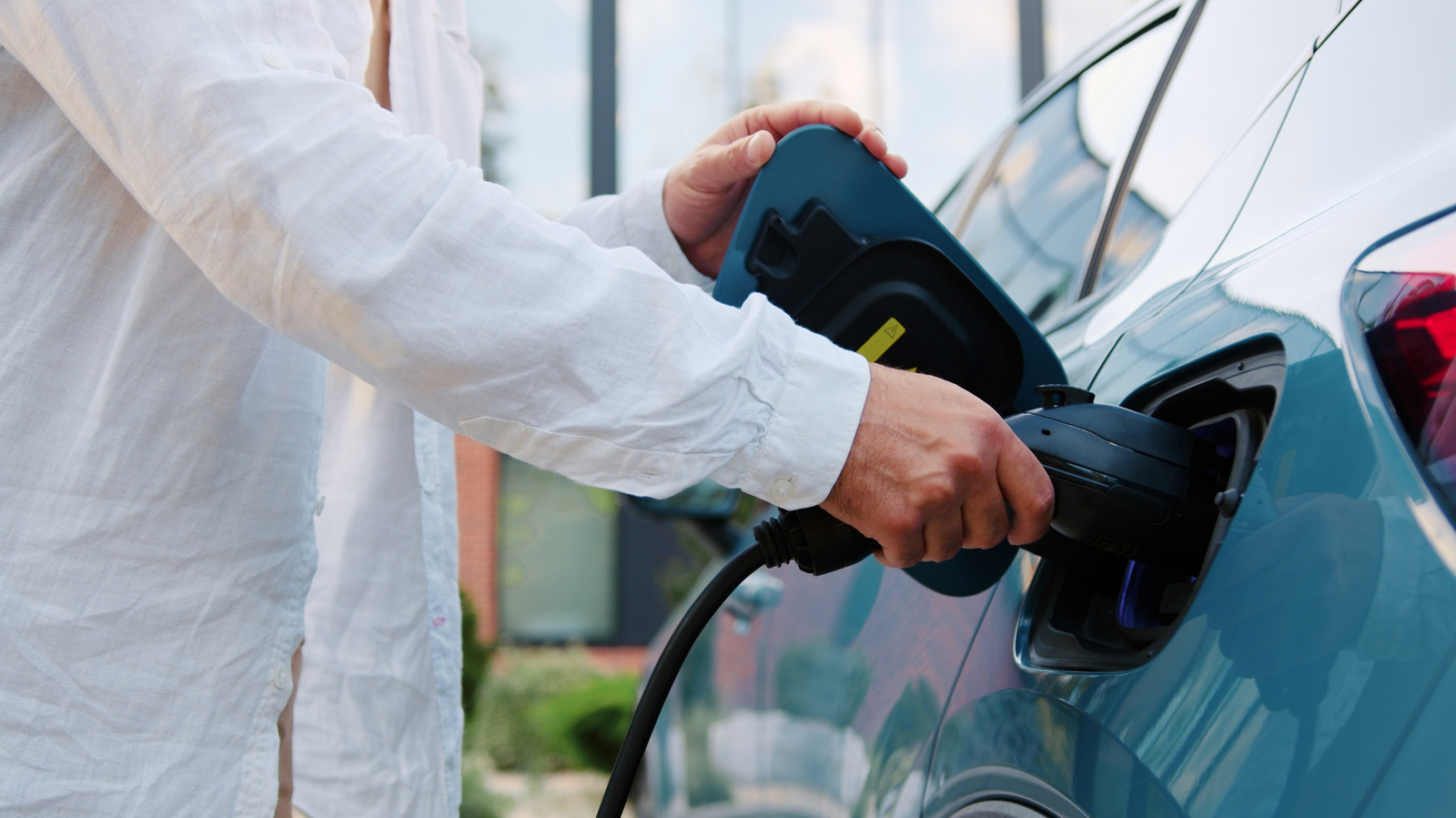
Most drivers hit that 80 percent wall and get annoyed, but the taper is the battery working as designed. The chemistry behind lithium-ion cells gets unstable when they're nearly full, so the charger and the car's BMS throttle power to avoid plating lithium metal on the anode. That keeps the pack from losing capacity after a few hundred cycles. There is no conspiracy to sell more time at the stall.
What I find interesting is how this shapes real-world charging strategy. You get the bulk of the range in the first 20 to 40 minutes on a good fast charger, and then the gains shrink fast. Anyone planning a long trip should treat 80 percent as the practical endpoint and move on, unless they absolutely need the extra miles. The car will happily take more, but the time spent for the last 20 percent rarely justifies itself.
I'd want to know more about how different battery chemistries, like LFP versus NMC, change that curve. Some chemistries tolerate higher charge states better, and the charging curves vary. But the core lesson holds: the slowdown is a protective measure, and knowing it changes how you plan stops.