NASA Boosts Open Science, Data Sharing with Artemis Accords
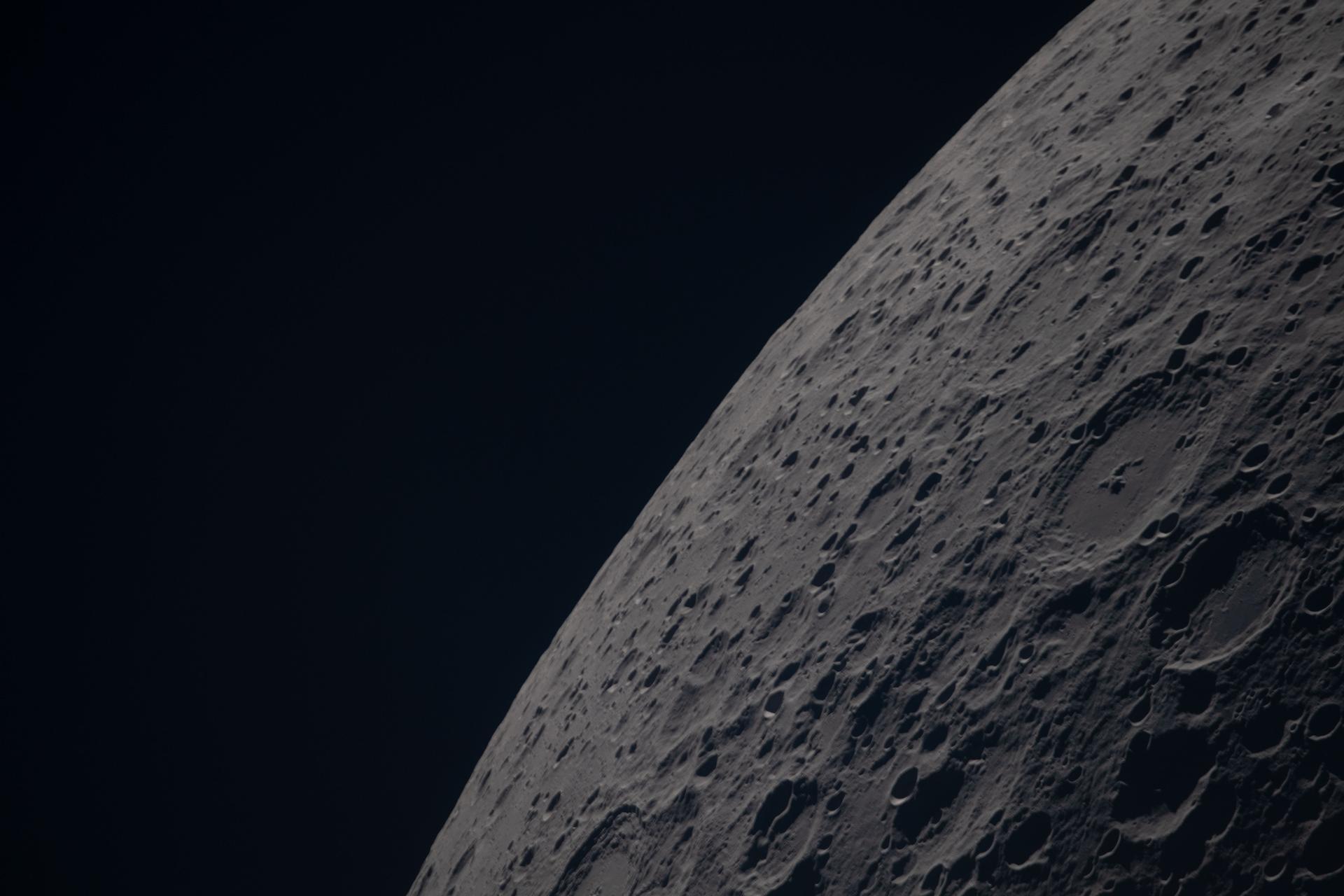
Seventy-one countries have agreed that Moon science belongs to everyone. That sounds like a policy statement, but think about what it actually does to the research pipeline. When every telemetry stream from a lunar lander goes public the moment it's collected, a team in Nairobi can check a soil chemistry reading before Houston has even archived it. Open data changes who gets to ask the questions in the first place.
Astronomy has a long and uneven history with this. Hubble's archive taught us that publicly released data often yields discoveries nobody planned for, like when citizen scientists re-examined old images and found things the professional teams had missed. The Artemis promise extends that principle to a whole new body of material: ice trapped in permanently shadowed craters, the chemistry of regolith from different landing sites, seismic readings from the Moon's interior. Making all of it available is how you get the largest possible number of curious minds working the same problem.
What I'd want to know next is whether the tools to handle that flood are as open as the data itself. A raw lunar spectrum means nothing without the software to parse it, and the training to use it. I hope NASA is thinking about that part too, because everyone getting the data still leaves an uneven playing field when it comes to interpreting it.