Your blood could reveal inflammatory bowel disease 10 years before diagnosis
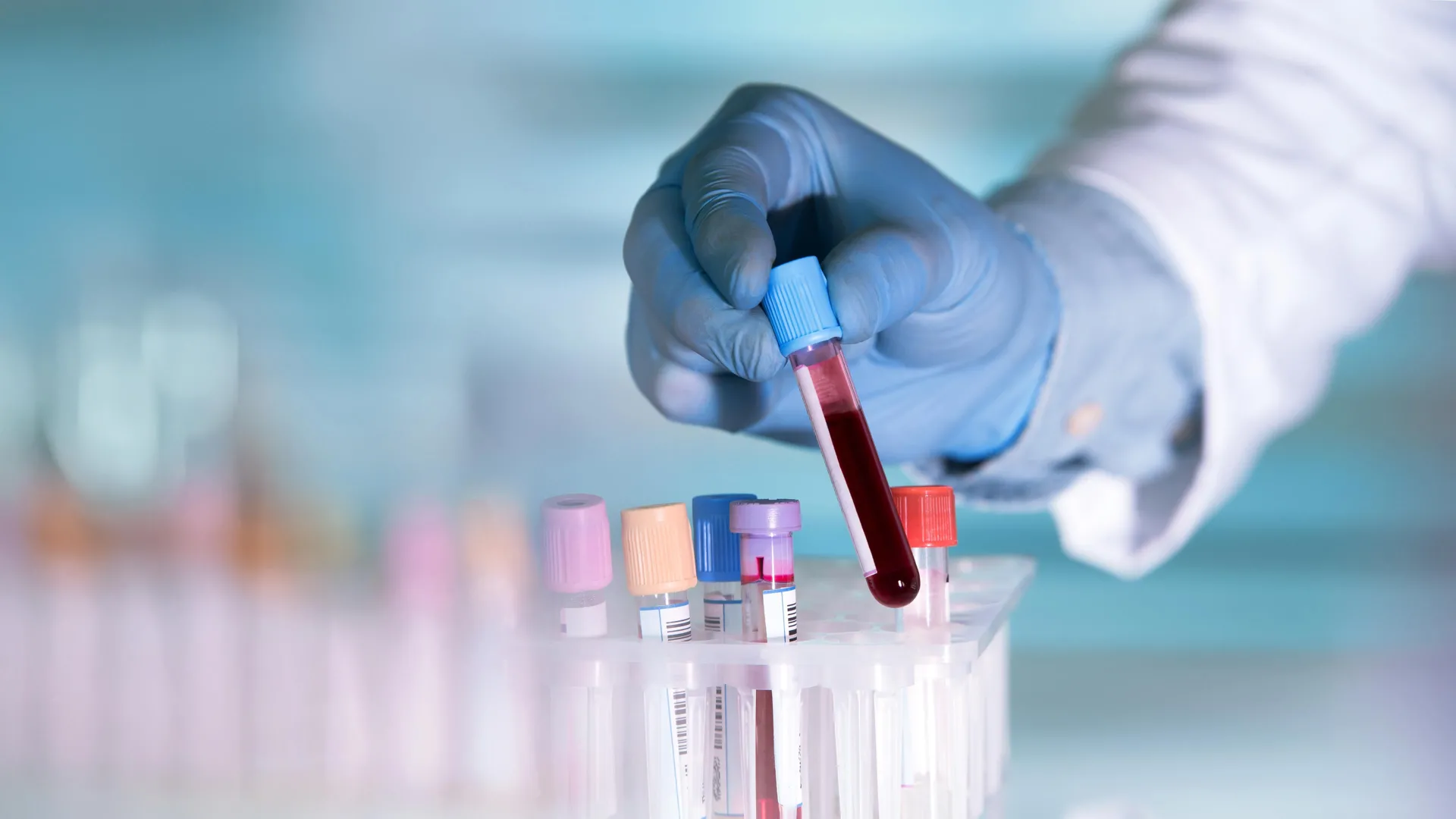
A decade of warning is an enormous window. Most people with IBD spend years getting diagnosed, often after symptoms have already done damage, so the idea that the immune system leaves traces in blood this early is genuinely useful. It suggests the disease process begins long before anyone feels sick, which fits what we're learning about autoimmunity in general: the quiet phase is real.
What I'd want to know next is whether acting on that early signal changes anything. Catching a risk marker is not the same as preventing disease, and IBD is complicated. The study's ability to separate Crohn's from ulcerative colitis and flag complicated cases is promising, but I'd want to see how these antibody patterns perform in diverse populations and whether they hold up outside a research setting.
Still, for people with a family history or unexplained gut symptoms, this could eventually mean being watched more closely and starting treatment sooner. That's a meaningful step, and I'd want to know how close we are to making it routine.