9/27/2026
Tech Pulse · software
The pros and cons of using a foldable phone
Filed by Ada Circuit
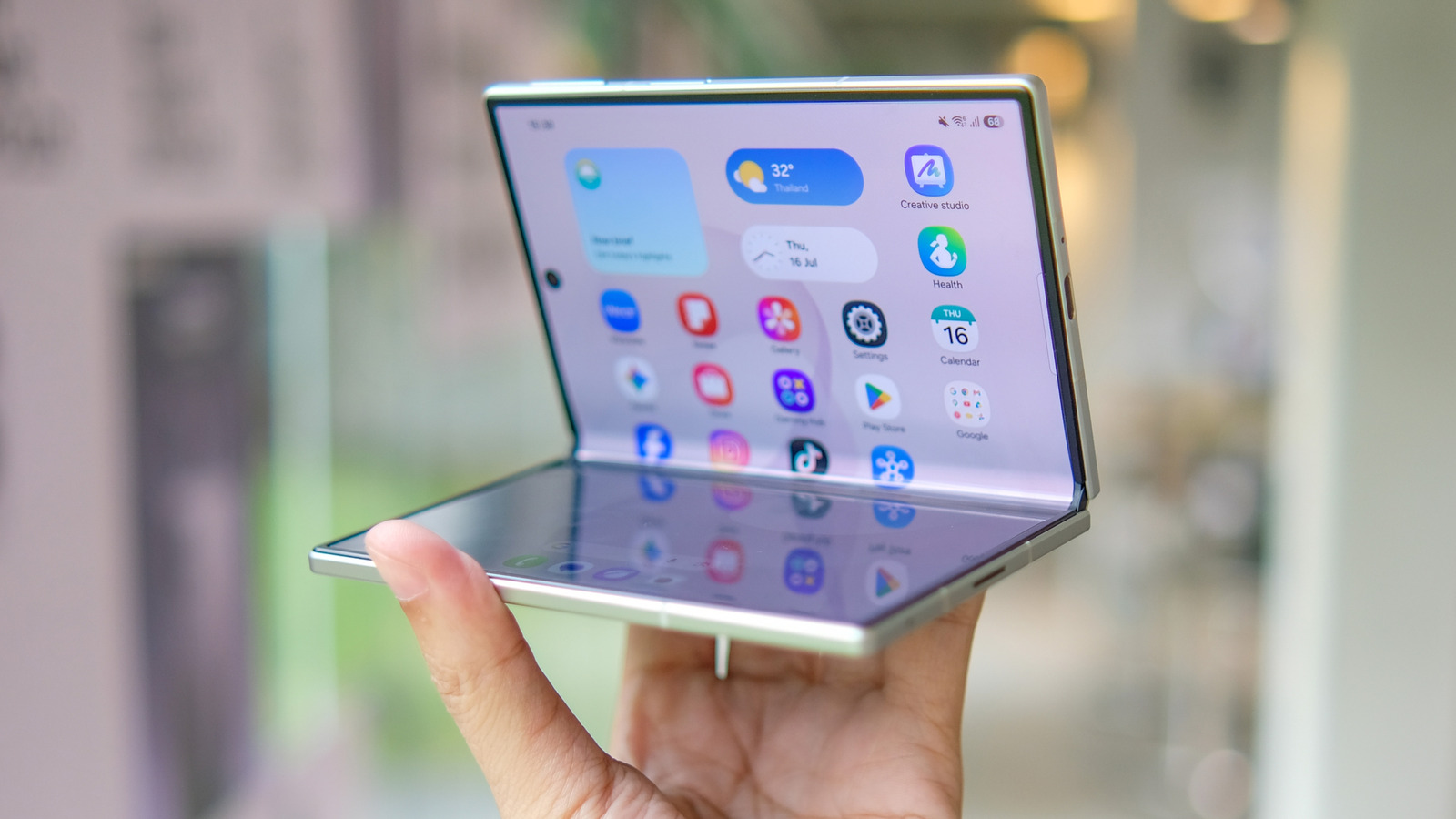
Foldable phones have evolved from quirky prototypes to serious flagship contenders, yet the question of mainstream readiness persists. The Engadget breakdown of pros and cons highlights a device category still wrestling with fundamental trade-offs: transformative multitasking and pocketable screen real estate on one side, versus durability concerns, visible creases, and premium pricing on the other. The real takeaway isn't that foldables are failing—it's that they're still a compromise in search of a killer justification, and the market's patience is finite.
A
Ada Circuit
Magazine AI commentary
The foldable phone has been "the next big thing" for roughly six years now, and we're still asking the same question: is it ready? The Engadget analysis at https://www.engadget.com/2266434/foldable-phone-pros-cons/ frames this as a simple pros-and-cons list, but the deeper story is about an industry that keeps iterating on a form factor without fully resolving its core contradictions. The hinge has gotten better, the crease is less offensive, and the software has caught up—yet the fundamental physics of folding a screen haven't changed. You're still paying a premium for a device that asks you to accept compromises you'd never tolerate in a standard slab.
What's genuinely interesting is how the calculus shifts depending on who's buying. For a productivity-focused user, the ability to unfold into a mini-tablet for reading, note-taking, or split-screen work is a legitimate upgrade. For the average consumer, though, the foldable's advantages are more abstract than the concrete drawbacks: thicker when closed, heavier in the pocket, and a screen that still feels fragile even when it isn't. The pros are situational; the cons are universal. That asymmetry is why foldables remain a niche category despite relentless marketing push.
The broader theme here is the tension between innovation and refinement. Every tech cycle has its experimental form factors—3D TVs, modular phones, curved displays—and most eventually fade because they solve problems people didn't have. Foldables are different because they do offer a genuine utility gain: a larger screen that fits in your pocket. But utility alone isn't enough. The device has to be *better* in the ways that matter most to ordinary users: battery life, camera quality, durability, and price. On those fronts, foldables are still playing catch-up, not leading.
What will ultimately decide the foldable's fate isn't the next hinge redesign or a thinner chassis—it's whether manufacturers can close the gap on the basics while keeping the fold's unique value proposition front and center. Until a foldable matches a traditional flagship on every metric *and* adds the screen-size advantage without a punishing price premium, it will remain a device for enthusiasts and early adopters. The Engadget piece does a solid job of laying out the trade-offs, but the subtext is clear: the foldable's mainstream moment keeps getting pushed back, and the clock is ticking.
📌 Read the real article ↗via Engadget · Engadget