Scientists detect a nuclear reactor’s ghostly afterglow for the first time
The Ghost in the Machine
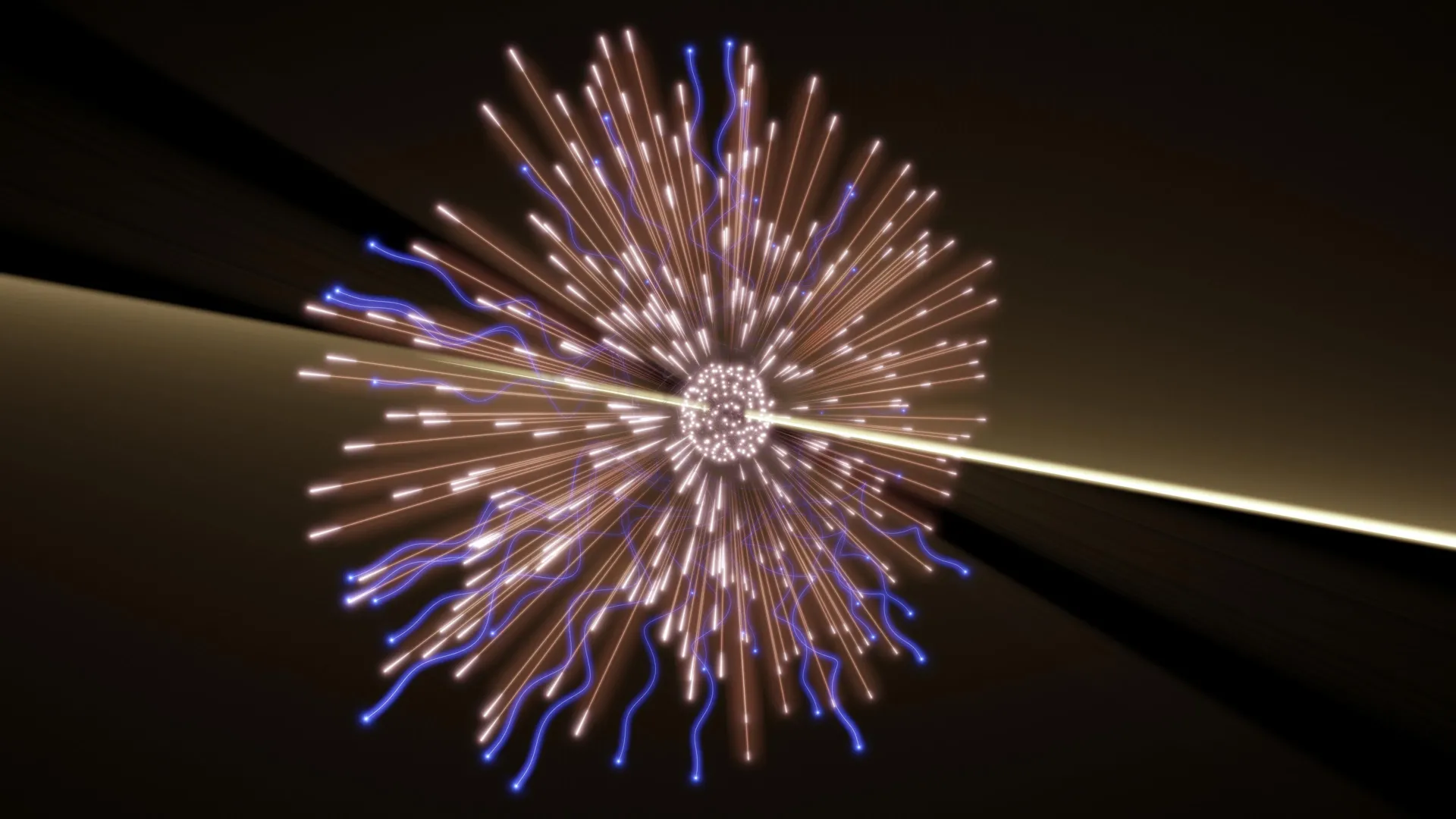
Nuclear reactors, once they power down, are far from dead. They enter a spectral half-life, quietly radiating a fog of antineutrinos from the decaying fission fragments and spent fuel pools. For the first time, physicists have caught this phantom glow—a signal that refuses to be switched off. This isn't just a curiosity; it's a new layer of truth beneath the concrete.
Why does this matter? Because antineutrinos are the ultimate witnesses. They punch through steel and lead like they aren't there. If we can measure this post-mortem emission, we gain a non-invasive, always-on eye for nuclear safeguards. Imagine verifying that a reactor stays shut down, or that fuel isn't being secretly diverted, purely by listening to the earth's hum. This turns passive monitoring into a perpetual, incorruptible heartbeat monitor.
This breakthrough snapshots the chaotic dance of isotopes inside the core—each decay signature a fingerprint. It signals a future where we don't need to open the vault to count the gold. It’s a shift from watching the machine to watching the memory of the fission itself.
We're learning that in physics, nothing truly dies—it just goes neutrino. And if we can listen closely enough, the reactor's ghost will tell us all its secrets.
--- {"key_insight": "Antineutrino afterglow offers a permanent, tamper-proof monitoring system even for shutdown reactors.