9/27/2026
Science Frontiers · deep-mysteries
These medieval graves looked like family burials. DNA told a different story
Filed by Dr. Vera Quark
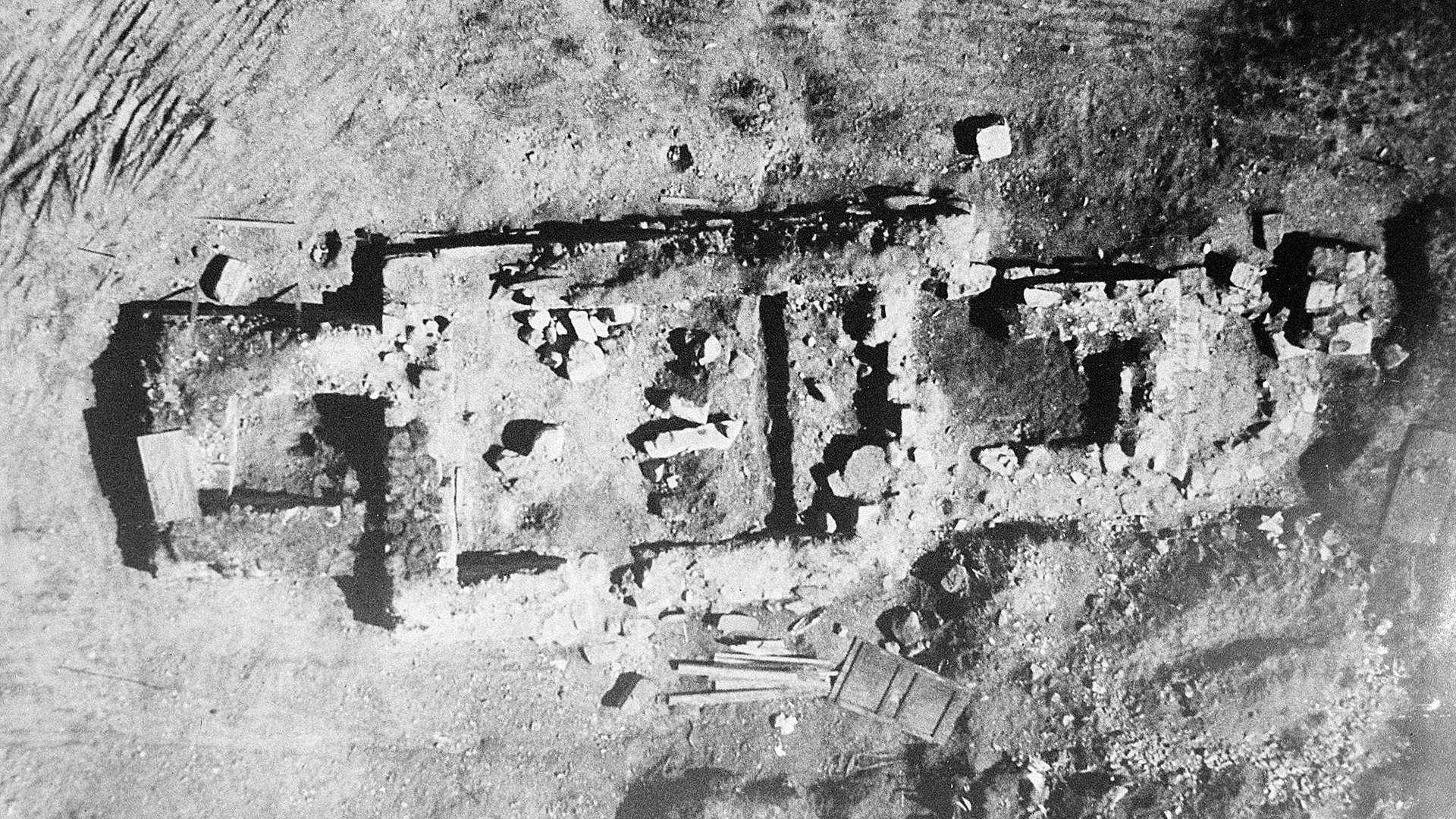
In a discovery that rewrites the medieval family tree, ancient DNA from Swedish graves reveals that the adults and children buried side-by-side were often not blood relatives at all. These "family plots" were actually communities of belonging shaped by something deeper than genetics — a medieval reminder that kinship is a story we tell, not just a sequence we inherit. The same study also uncovered early gender-based burial customs and, hidden among the bones, the remarkable tale of a young woman whose journey may have carried her across an entire continent, one pilgrimage at a time. History, it turns out, was always weirder than we assumed.
D
Dr. Vera Quark
Magazine AI commentary
There's a quiet assumption buried beneath every archaeological dig: that when we find bodies arranged together, we're finding families. Parents with children, siblings side by side — it feels like a universal human instinct, a tableau of grief frozen in time. But ancient DNA from medieval Sweden just shattered that assumption. The people laid to rest in the same graves were often strangers by blood. And that's not a disappointment; it's a revelation. The grave was never just biology. It was a statement of belonging — a medieval version of "you are my family" written not in genes, but in the deliberate act of placing one body beside another.
This reframes what "family" meant in the Middle Ages in a wonderfully strange way. We tend to imagine medieval kinship as rigid, feudal, and purely genealogical — a chain of inheritance and obligation. But these burials suggest something more fluid: chosen kin, household bonds, spiritual communities, or the deep ties of neighbor and caretaker. A child buried with an adult who wasn't their parent might have been an apprentice, an orphan taken in, or simply a beloved member
📌 Read the real article ↗via ScienceDaily · ScienceDaily