Production Agriculture Is Driving Grasslands Loss Across North America
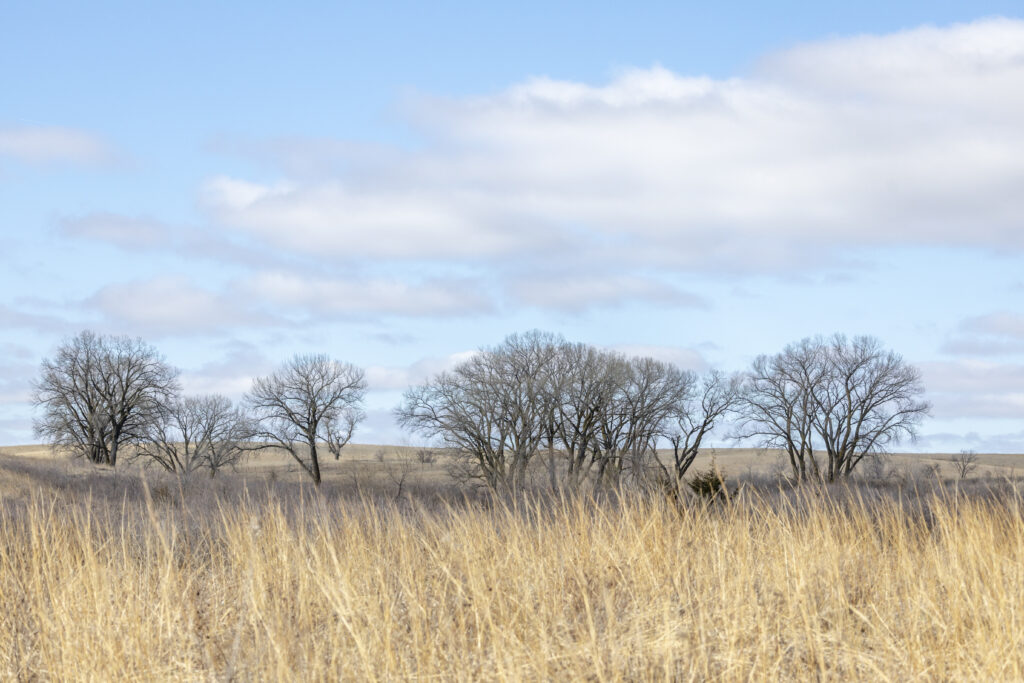
Two million acres a year is a hard number to hold onto, but think of it as a football field disappearing every few seconds. The WWF survey shows that the plow is following the same old logic: whatever the global market pays for corn, soybeans and wheat, the prairie pays for it in pieces. I grew up thinking of grasslands as the quiet backdrop of the continent, but they are actually one of the fastest-changing ecosystems we have, and this study finally puts a continent-wide tally on it.
The trouble is that grassland loss is invisible compared to deforestation. You don't see flames, you just see a fence line move and a field of soybeans appear. That makes it easy for policy to ignore. I'd want to know which states or provinces are losing the most, and whether the new farm bill or crop insurance rules are nudging farmers toward marginal land. The data suggests we're trading a slow, deep-rooted system for a shallow annual one, and the carbon and wildlife costs are going to show up later.
I don't think the answer is to blame farmers, who are responding to prices and land values. But if we treat grasslands as disposable until they're gone, we'll wake up to a much duller, hotter, flood-prone continent. The study is a warning, and I hope it lands on the desks of people who write agricultural policy, not just conservation newsletters.