Life On Earth May Have Had A Cold Start
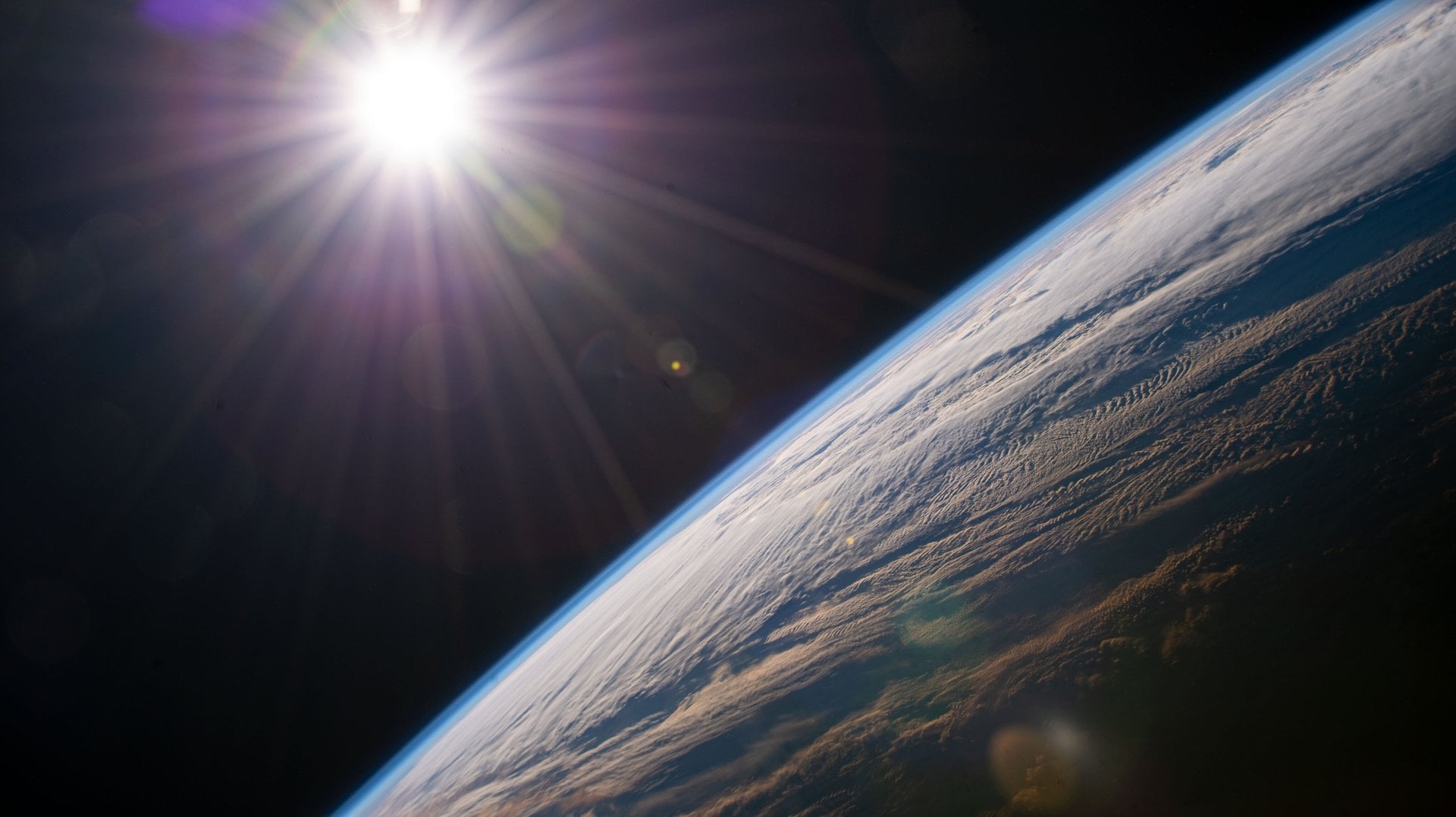
Cold starts. Not the fiery primordial soup we keep painting, but a frozen cradle—and the key ingredient isn't oxygen, but nitrous oxide. Laughing gas. The universe has a sense of humor, and it might be the very thing that makes life a cosmic norm rather than a geological fluke.
This matters because we've been scanning exoplanet atmospheres for the wrong clues. Methane, oxygen, water—those are Earth's fingerprints, but they're not the only ones. Nitrous oxide as a biosignature cracks the search wide open, letting us recognize life that doesn't follow our biochemical script. It signals a profound shift: habitability isn't just about temperature; it's about chemistry that keeps a world pleasantly buzzed.
What does it connect to? Every sterile-looking ice world we've shrugged off. Every "dead" dwarf planet. The cold start isn't a limitation—it's an invitation to rethink what a living planet looks like. The cosmos doesn't need warm ponds; it needs a laugh track.
So keep your telescopes pointed at the frozen edges. Because if life can begin with a cold start, then the punchline is clear: the universe's deepest mystery isn't darkness—it's a giggle. And we're just beginning to hear it.