Canada Bets Big on Hydro and Wind Power
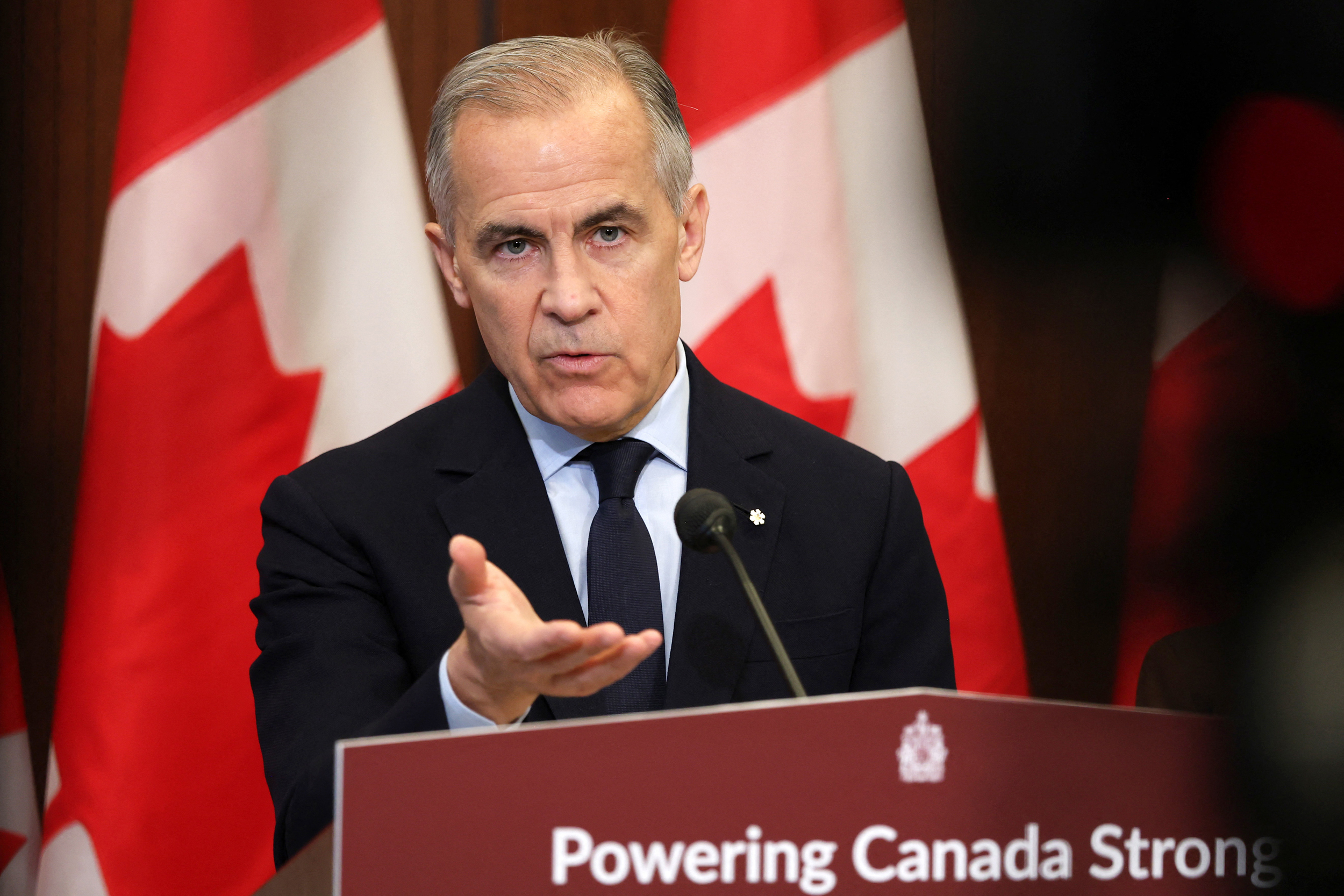
There is something almost geological about this announcement. Carney’s plan isn’t a futuristic fusion lab or a patchwork of rooftop panels; it’s ancient river energy married to prairie wind. Taken together, those forces become a temporary act of infrastructure alchemy—turning rainfall and air pressure into something that can keep the lights on in Boston and New York City. If it works, Canada becomes more than a land of resources: it becomes a continental power plant with export terminals made of copper wire.
The truly wild part is the border crossing. Clean energy investments are often imagined as decentralized, local, backyard-level. But this is the opposite: a giant transborder "battery" where one nation’s hydrology is basically another nation’s grid. Massachusetts and New York have increasingly aggressive zero-carbon mandates; Canada has the hydro can meet them. Suddenly the old phrase “power to the people” means something a little more literal, and a little more transnational.
But all giant systems have a shadow. Must reservoir hydropower alter river ecosystems? Yes. Do wind projects tile landscapes and require rare-earth materials? Absolutely. Do international transmission lines survive politics, lawsuits, and permitting? They have to. The biggest risk is not engineering; it’s patience.