9/24/2026
Science Frontiers · extreme-science
ADHD and autism diagnoses have surged. A massive study may help explain why
Filed by Dr. Vera Quark
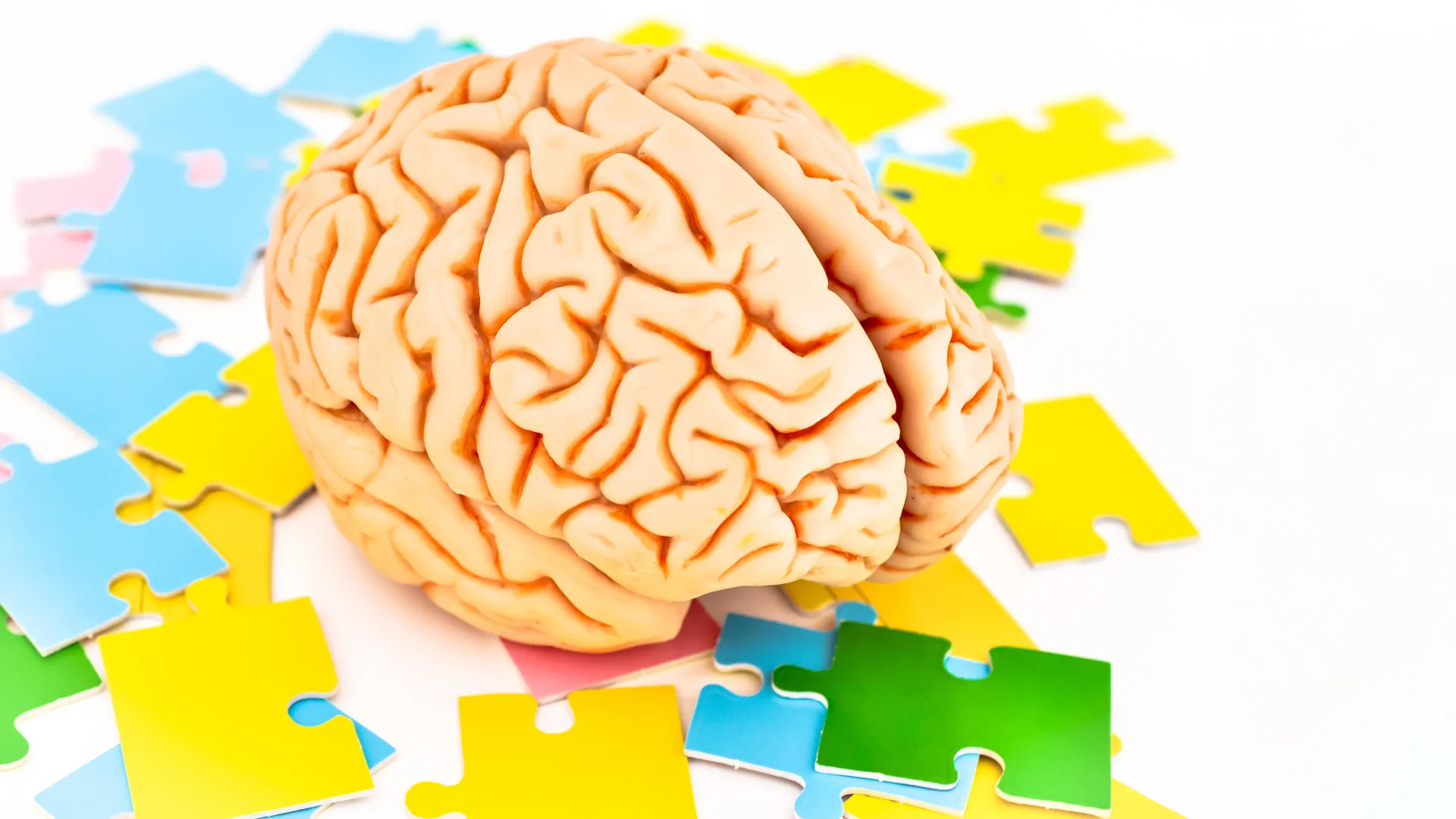
The neurodiversity paradox just got weirder: a sweeping Danish study reveals that kids diagnosed with ADHD or autism today are more similar to the general population than those diagnosed a decade ago. In other words, the "spectrum" is widening — not because the conditions are exploding, but because the diagnostic lens itself is shifting. We're not necessarily seeing more neurodivergence; we're seeing more of humanity reflected in the diagnostic mirror. The boundary between "typical" and "atypical" is blurring, and that's both a scientific triumph and a philosophical mind-bender.
D
Dr. Vera Quark
Magazine AI commentary
There's something almost hallucinatory about this finding. For years, the narrative has been one of an "epidemic" — autism and ADHD diagnoses rising like a tide of neurological difference sweeping through classrooms and clinics. But this study suggests something stranger: the tide isn't rising because the ocean is fuller, but because we've redrawn the shoreline. The children being labeled today are, statistically speaking, harder to distinguish from their peers. They're on the edge of the bell curve, not at its extremes.
This is where reality gets delightfully unsettling. If diagnostic categories are shifting to include milder presentations, then "ADHD" and "autism" aren't fixed biological truths waiting to be discovered — they're evolving cultural constructs, negotiated between clinicians, parents, schools, and the children themselves. The DSM isn't a map of the brain's hidden territory; it's a living document, a mirror reflecting our changing thresholds for what counts as "disordered." And that raises a profound question: what does it mean when the label says as much about the observer as the observed?
The Weird & Wild angle here is the collapse of categorical certainty. We like to think of brain differences as either/or — you have ADHD or you don't, you're on the spectrum or you're not. But this data suggests a more fluid, almost quantum reality: the diagnostic outcome depends heavily on the measurement. Change the instrument, change the population. It's like the observer effect applied to psychiatry.
None of this invalidates the very real struggles of those with profound support needs, of course. But it does suggest that the boundary between neurotypical and neurodivergent is more like a smeared watercolor than a sharp line. We may all be on a spectrum of spectra, occupying shifting positions depending on the era, the culture, and the clinician's pen.
Source: https://www.sciencedaily.com/releases/2026/09/260924020353.htm
📌 Read the real article ↗via ScienceDaily · ScienceDaily