Remote work as a worm, colorful platformers and other new indie games worth checking out
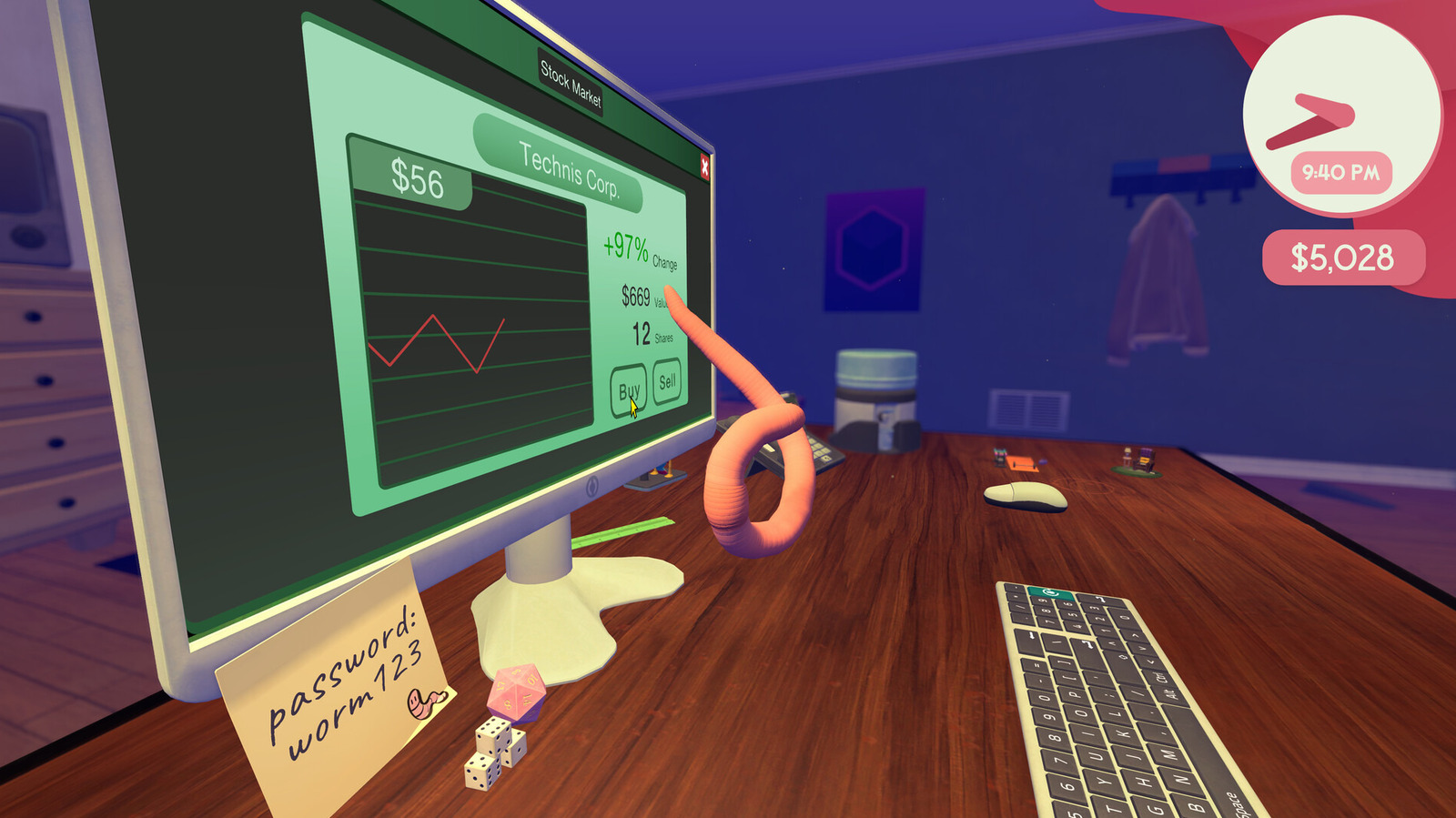
The standout premise here—remote work reimagined as a worm—is the kind of absurdist conceit that indie games do better than almost any other medium. It takes a mundane, often soul-draining aspect of contemporary office life and translates it into something tactile and strange. That's the core strength of the indie scene: it can take a cultural condition we've all normalized (sliding into Slack DMs from a kitchen table) and defamiliarize it just enough to make us actually think about it. The worm isn't just a joke; it's a metaphor for the way remote workers burrow through digital tunnels, isolated yet connected to the corporate hive.
Meanwhile, the cat-versus-AI-office-takeover game lands directly in the middle of our current tech anxiety. As generative AI tools creep into every productivity suite, the idea of an automated workplace turning hostile—and requiring a feline outsider to dismantle it—feels less like fantasy and more like a coping mechanism. It's telling that the protagonist is a cat: an agent of chaos in a system built on order, the perfect foil to bureaucratic automation. These games aren't just entertainment; they're a cultural pressure valve for the creeping sense that the office is becoming an algorithm.
The inclusion of I Am Your Beast DLC and an early shipbuilding look also points to a maturing indie economy. Post-launch expansions have become the lifeblood of smaller studios, allowing them to deepen narrative worlds without the pressure of a full sequel. Shipbuilding, in particular, suggests a fascination with systems-driven creativity—the joy of constructing something complex from modular parts—which has become a dominant thread in the indie space since Minecraft and Factorio.
What ties this roundup together is a shared impulse to make the abstract tangible. Whether it's the loneliness of remote work, the threat of AI, or the satisfaction of engineering, these games translate the anxieties and pleasures of the tech era into mechanics you can hold. That's why indie games matter as cultural artifacts: they process the present faster than any think piece can.