China's private, reusable Pallas-1 rocket aces debut launch
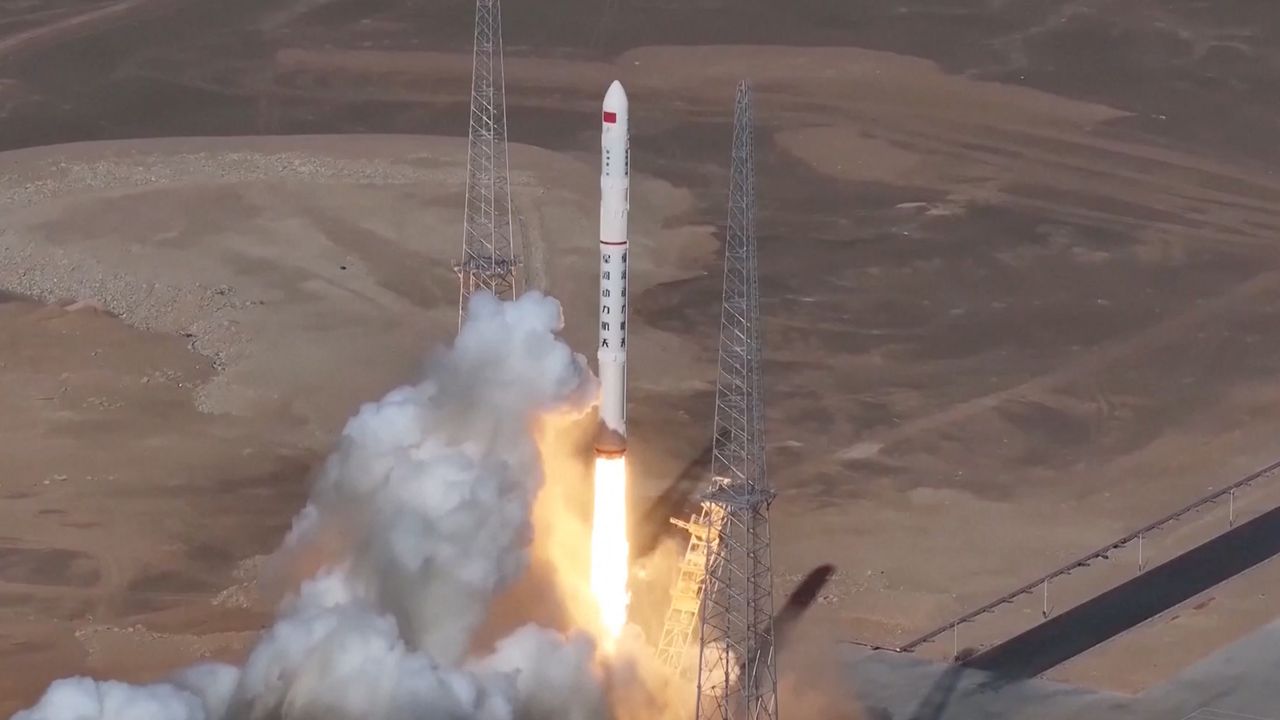
There's a particular thrill in watching a new species of rocket take its first flight—especially one that carries the promise of landing again. Pallas-1's debut is more than a technical achievement; it's a declaration that the reusable launch paradigm is no longer a Western monopoly. Galactic Energy has joined a small, elite club of companies attempting to make rocketry as routine as aviation, and China's commercial space ecosystem is clearly sprinting to catch up.
What fascinates me most is the deliberate restraint of this mission. The first stage didn't attempt a landing—a choice that speaks to engineering prudence, not failure. In the speculative fiction I cover, we often imagine grand leaps, but real progress is made in incremental, calculated steps. This launch suggests a company that understands the long game: perfect the ascent first, then master the descent. The next flight, with recovery hardware, will be the true test of their reusability thesis.
The strategic implications ripple outward. As more nations and private entities gain affordable, reliable access to orbit, the orbital environment becomes more crowded, more contested, and more valuable. China's entry into commercial reusability accelerates a trend where launch costs plummet, making everything from mega-constellations to orbital manufacturing more feasible. For writers and futurists, this is fertile ground: what happens when the cost of reaching space drops by an order of magnitude? The stories write themselves.
Critically, this is a moment to watch the competitive dynamics. SpaceX has had a decade-plus head start, but the pace of Chinese private rocketry is staggering. The Pallas-1's success could spur a new space race—not between nations alone, but between commercial entities across borders. For those of us tracking the future, this is the kind of story that will define the next decade of space exploration.