On Louisiana’s disappearing coast, a natural gas terminal is poised to become the largest in the US
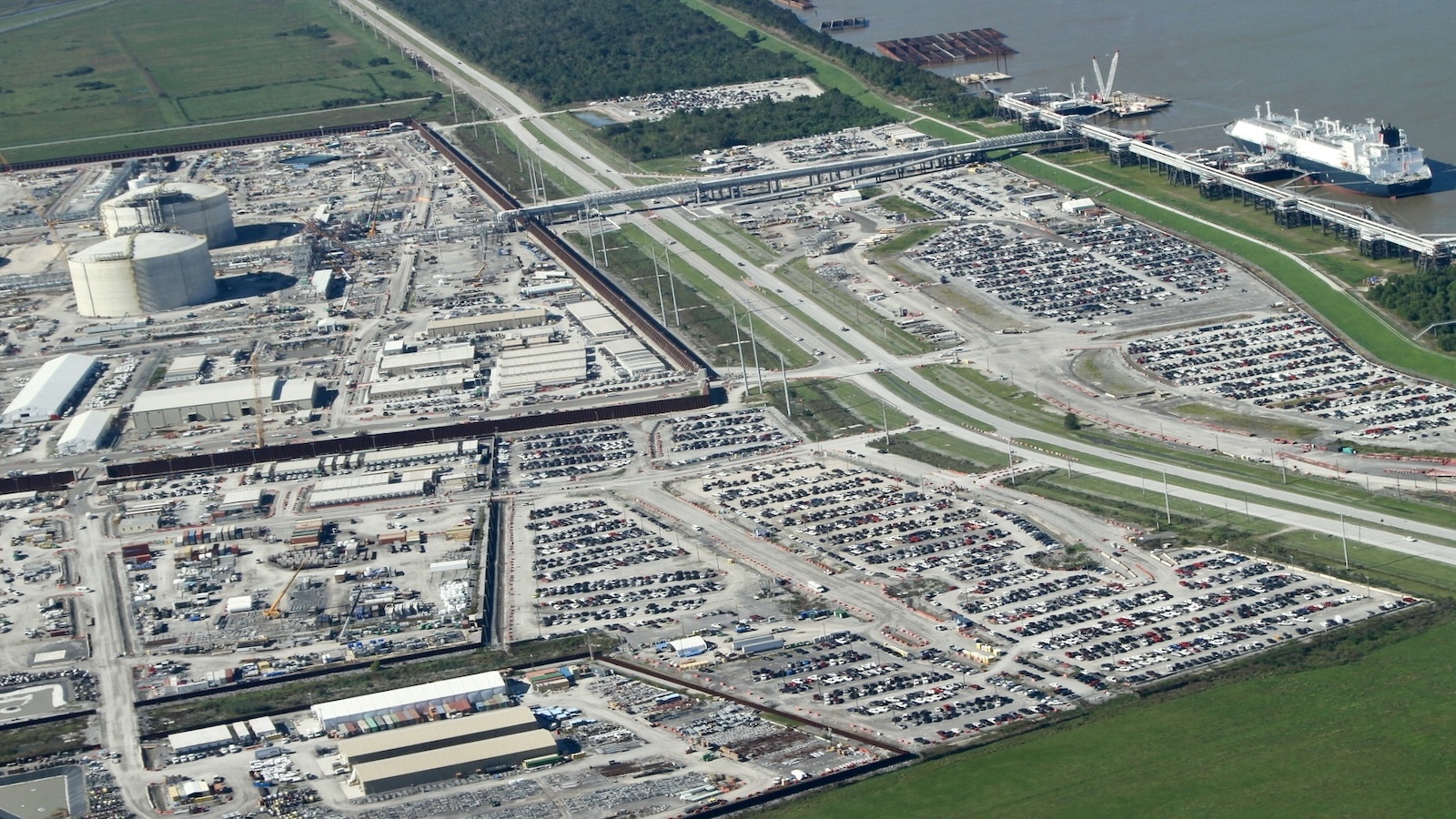
The Plaquemines LNG terminal, poised to become the largest of its kind in the U.S., is a monument to our collective climate denial. Situated on Louisiana's coast—a landscape that loses a football field of land every 100 minutes—this project embodies the absurdity of doubling down on fossil fuels in the face of accelerating sea-level rise and subsidence. The irony is almost too painful: we are building a 20th-century energy infrastructure on a 21st-century battlefield against climate change, and we are losing ground, literally and figuratively.
This terminal is not an isolated project; it is part of a broader LNG export boom that the U.S. has championed as a geopolitical tool and economic driver. But every export terminal, every pipeline, every fracking well adds to the cumulative carbon budget that is already stretched to breaking point. The International Energy Agency has made it clear that no new fossil fuel infrastructure can be built if we are to meet the Paris Agreement targets. Yet here we are, pouring billions into a facility that will operate for decades, effectively locking in emissions that will outlast the coastal communities it threatens.
The disappearing coast of Louisiana is not just an environmental issue—it is a social justice issue. The communities that have fished, farmed, and lived on these lands for generations are being displaced by a combination of industrial canals, oil extraction, and now LNG mega-projects. These projects bring few local jobs, but they bring immense environmental burdens: air pollution, water contamination, and the acceleration of land loss through dredging and infrastructure. The Plaquemines terminal is a stark reminder that the energy transition is not just about replacing one fuel with another; it is about rethinking our relationship with the land and the people who depend on it.
As climate journalists, we must ask: who is truly benefiting from this project? The answer is clear—multinational corporations and export markets—while the costs are externalized to the most vulnerable. The Grist article highlights how the Trump administration's "energy emergency" declaration has fast-tracked this project, bypassing environmental reviews and public input. This is not an emergency response; it is a giveaway to the fossil fuel industry. The real emergency is the climate crisis, and we are responding by building more of the problem.